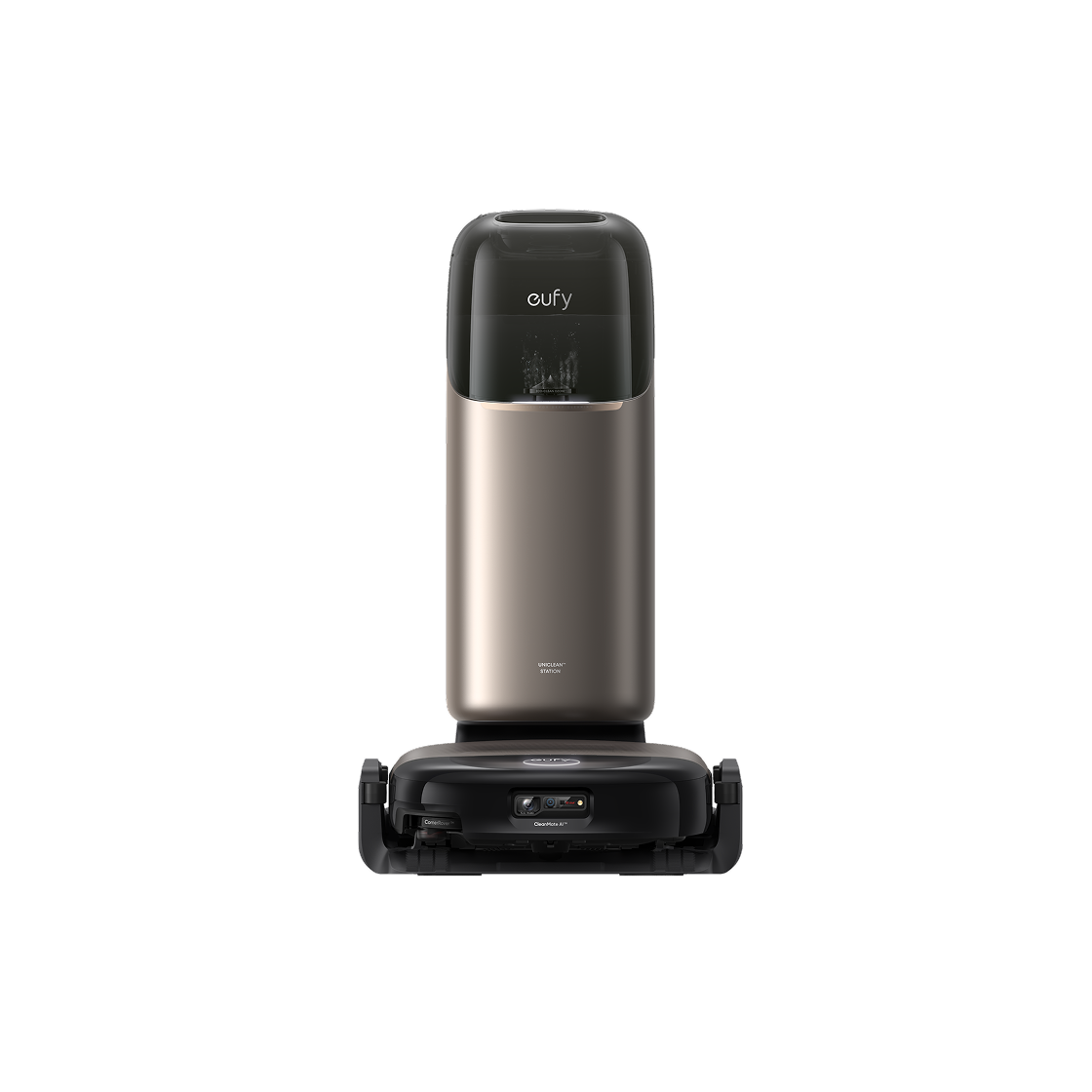
For years "robot mop" meant a damp cloth dragged across the floor: dirt relocation, not cleaning. The 2026 catalog shows the category has split into three genuinely different architectures, and which one suits you follows from how each works, not from marketing adjectives.
Architecture 1: Self-rinsing rollers, the 2026 wave
An absorbent roller spins against the floor while the robot continuously rinses it (onboard or at the dock), so the mopping surface is refreshed mid-job instead of carrying the whole house's grime on one pair of pads. This is the design the industry converged on this cycle:
- Ecovacs OZMO Roller 3.0: Deebot X9S Pro Omni (RAI 94, $899.99) and the bagless-dock X12 OmniCyclone (RAI 93, $1,499.99); the earlier X9 Pro Omni runs the 2.0-era roller at ~$599.
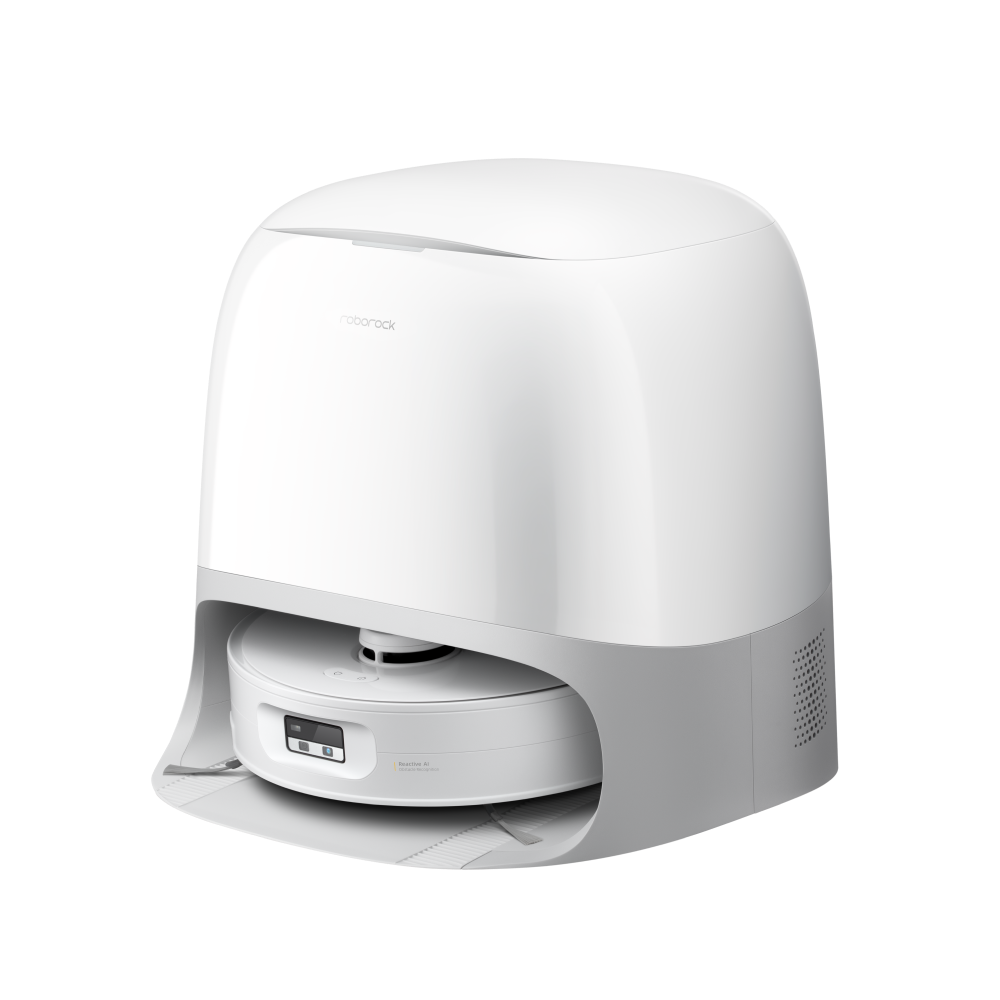
- Roborock SpiraFlow: a 270 mm self-cleaning roller on the Qrevo Curv 2 Flow (RAI 93, $999.99), Roborock's first roller-mop machine.
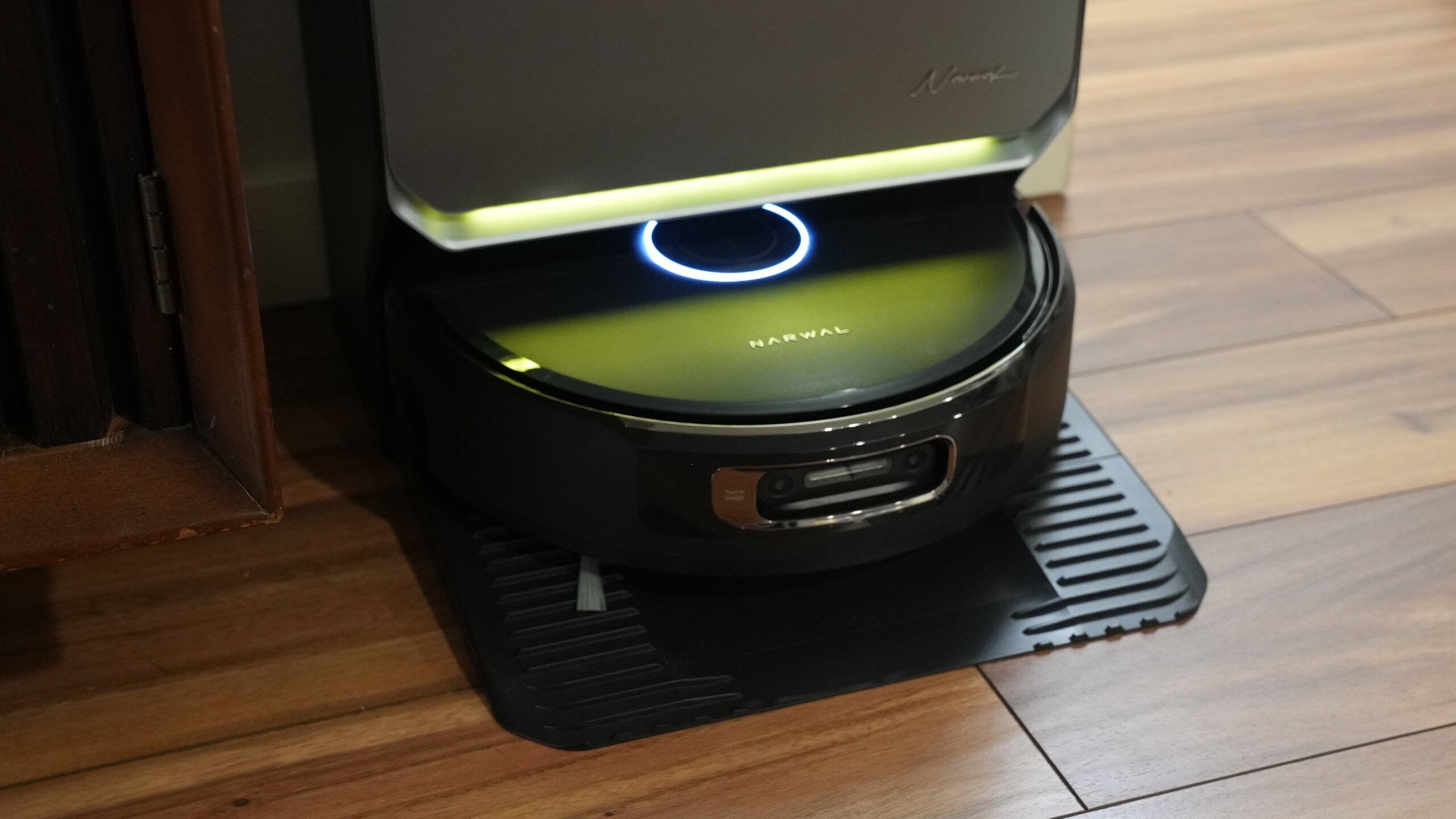
- Narwal FlowWash: Flow 2 (RAI 93, $1,299.99), roller plus a 31,000 Pa suction rating.
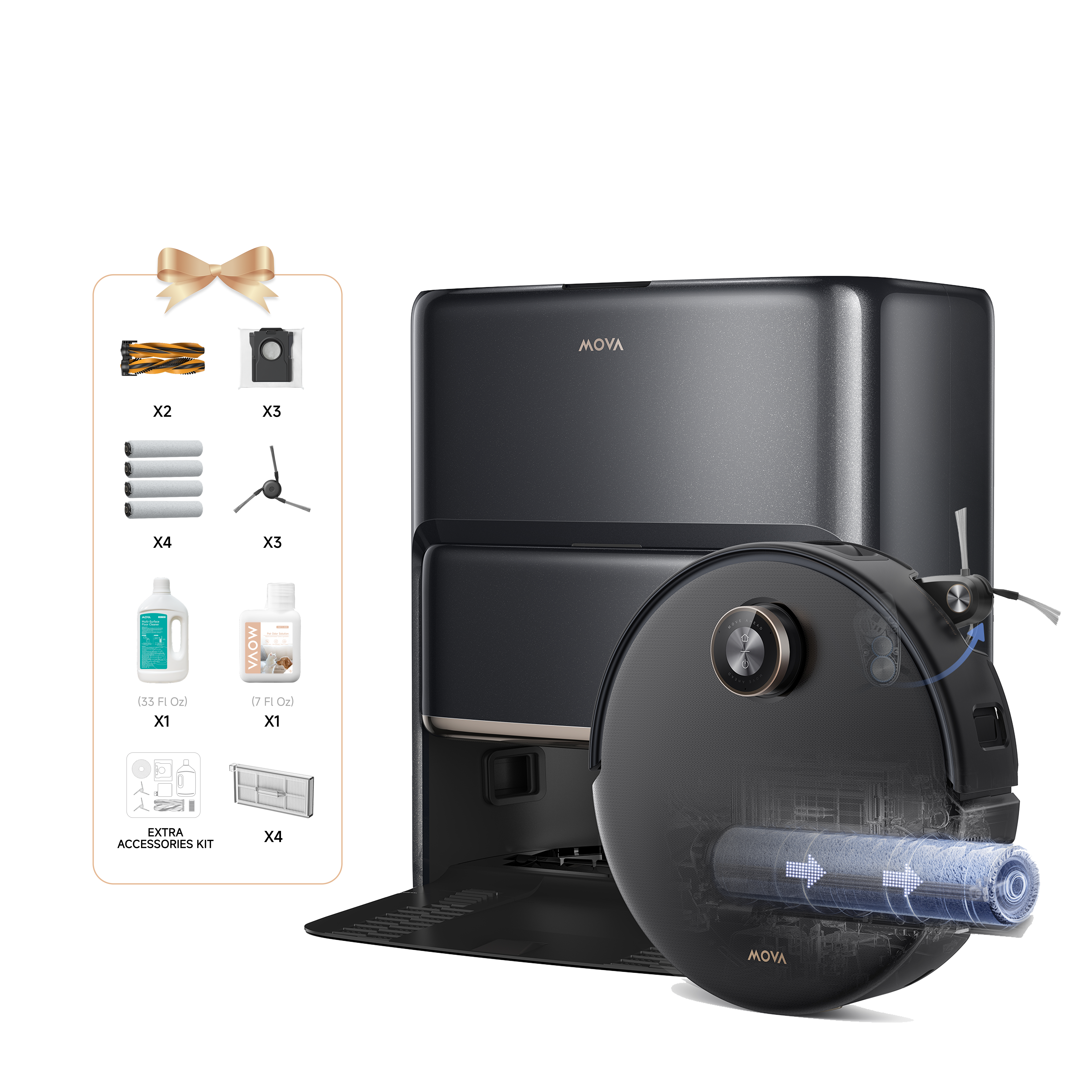
- Mova Z60 Ultra Roller: Z60 (RAI 94, ~$899), whose base washes the roller at a claimed 80°C, the hottest wash spec in the catalog.
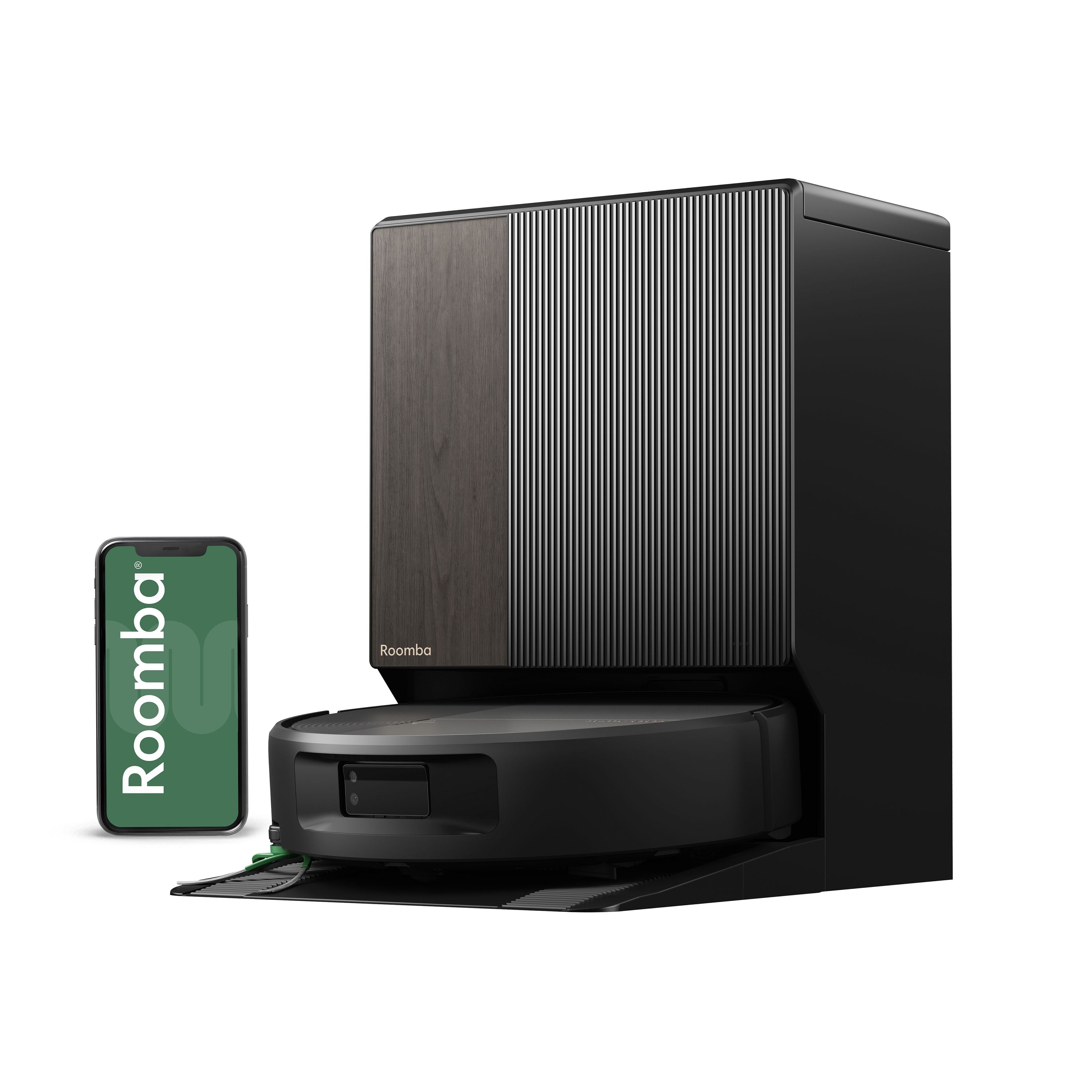
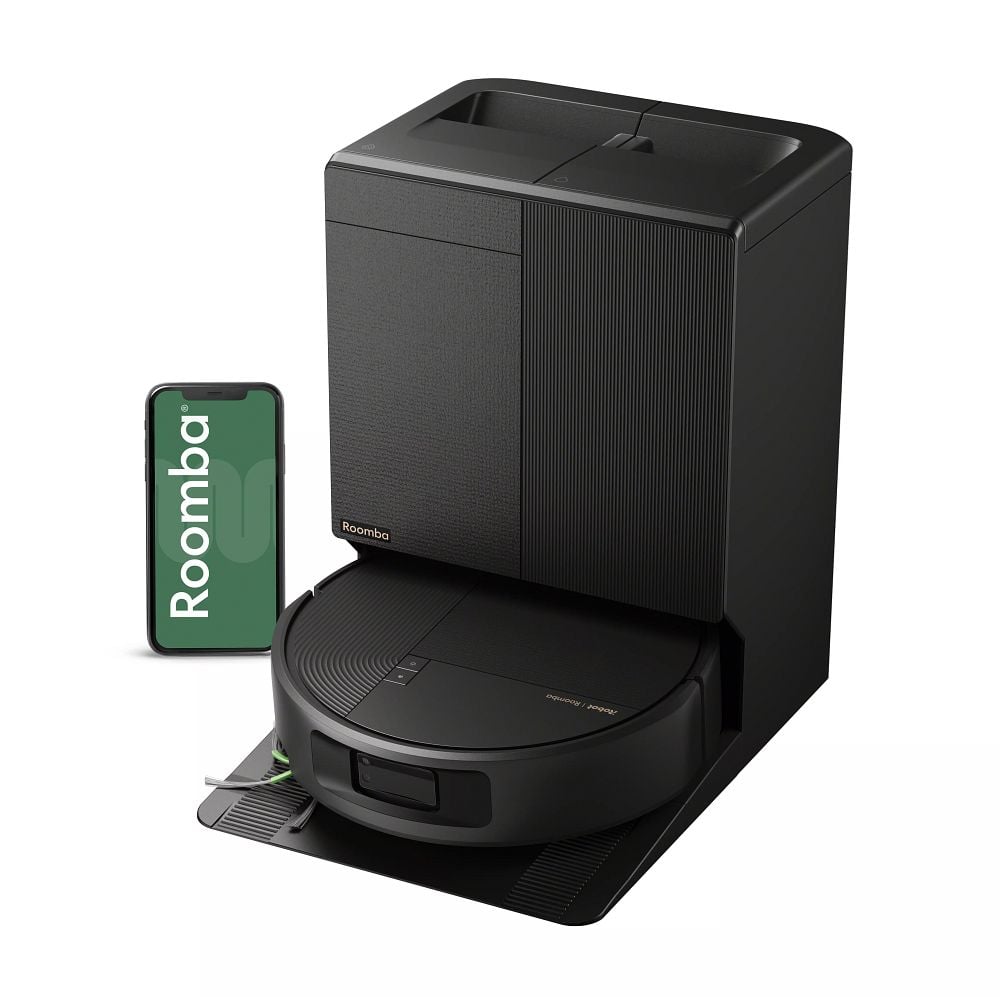
- iRobot PowerSpin: Roomba Max 705 Combo (RAI 92, ~$799.99) with a heated AutoWash dock.
The design's inherent limit is geometry: a fixed-width roller under the chassis can't reach into corners or under cabinet lips the way an extending pad can.
Architecture 2: Dual spinning pads with extension, the reach champions
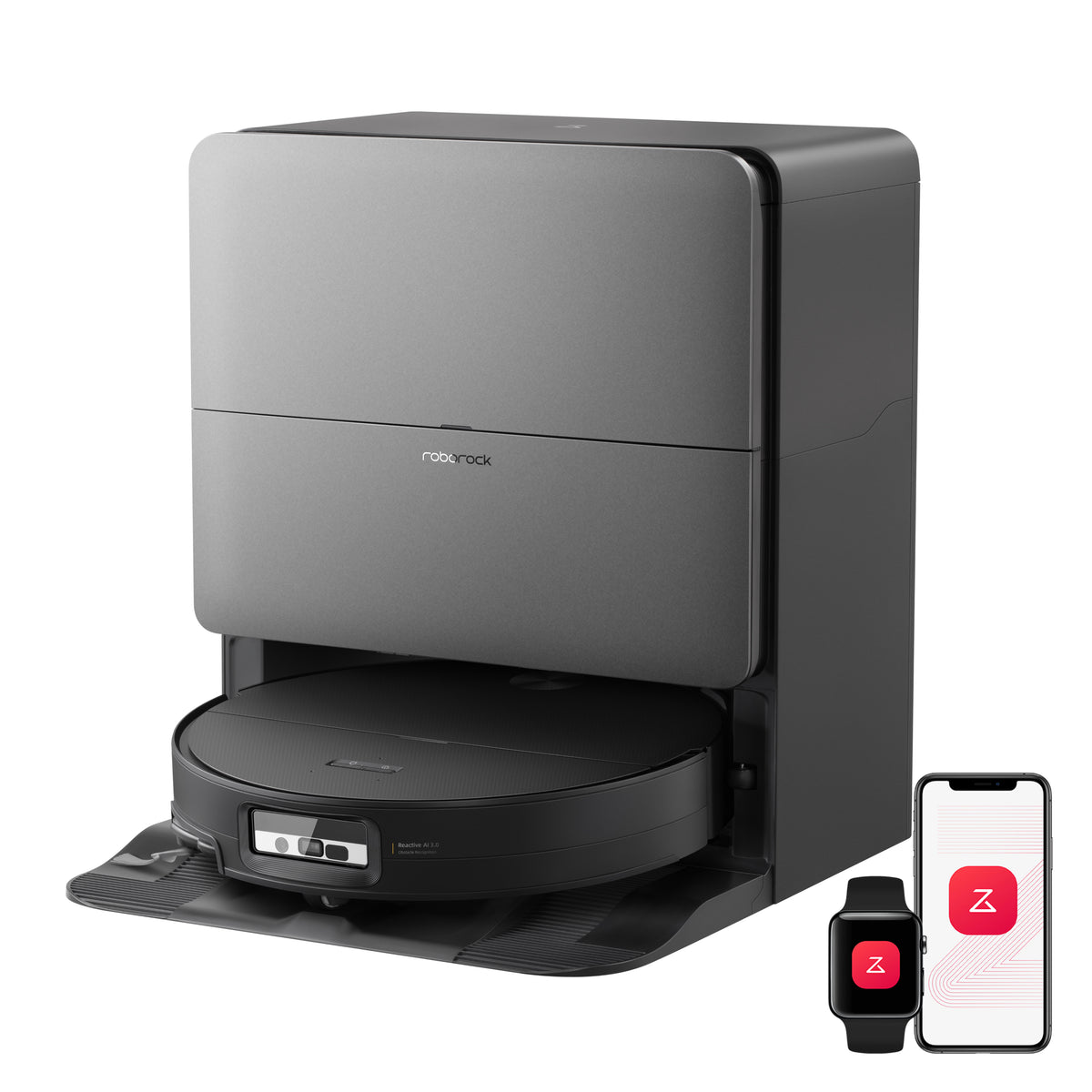
Two rotating microfiber pads press and scrub, and (the key 2024-26 refinement) a mechanical linkage pushes one pad outward along walls and into corners. Dreame's MopExtend defined it: the X60 Max Ultra Complete (RAI 97, $1,614.99) runs heated dual-spin MopExtend pads, and the X50 Ultra (RAI 96, ~$999.99) offers the same reach a generation back. Roborock's Saros 20 answers with a dual-spin extendable arm, and the Saros Z70 mounts spinning pads on its FlexiArm. The trade-off mirrors the roller's: pads scrub with real pressure and reach the last inch at the baseboard, but they carry accumulated soil until the dock washes them, which is why hot-water pad washing and hot-air drying in the dock matter more for this architecture than any other.
Architecture 3: Sonic pads, sonic contact and carpet lift
A flat pad vibrating thousands of times per minute (Roborock rates VibraRise at 3,000 cycles/min) with modest downward pressure. It scrubs less aggressively than rotation by design: the appeal is uniform, gentle contact for maintenance mopping on sealed hardwood, plus reliable pad-lifting over carpet. The S8 MaxV Ultra (RAI 95, ~$849.99) pairs a sonic FlexiArm pad with the full wash/dry/refill dock; the dockless S8 ($549.99) is the budget expression. Shark's HyperSonic mop on the PowerDetect UV Reveal (RAI 90, $949.99) belongs here too, with a stain-detection twist: its UV illumination is claimed to reveal residue the camera then targets.
The dock is half the mop
Whatever the architecture, an unwashed mop redistributes dirt. The dock features worth paying for, in order: pad/roller washing (standard above ~$480 now), heated washing (manufacturers publish figures from 58°C up to Mova's 80°C claim) for grease that cold rinses leave behind, hot-air drying so pads don't sour between runs, and clean/dirty water separation with auto-refill. The Samsung Bespoke Jet Bot Combo AI ($1,699.99) adds the one genuinely different dock trick: steam treatment of the pads in its Clean Station.
Picks by floor
| Floor situation | Pick | Why | Earlier snapshot price |
|---|---|---|---|
| Tile / grout, kitchens | Dreame X60 Max Ultra | Heated extending pads = pressure + edge reach where spills live | $1,614.99 |
| Mixed hard floor, heavy daily traffic | Deebot X9S Pro Omni | Continuously rinsed roller keeps the mop clean across big areas | $899.99 |
| Sealed hardwood, maintenance mopping | S8 MaxV Ultra | Gentle sonic pad, full dock, frontier-tier autonomy at value price | ~$849.99 |
| Best roller value | Mova Z60 Ultra Roller | 80°C-claim roller wash at hundreds under the comparable flagships | ~$899 |
| Mopping on a budget | Deebot X9 Pro Omni | A former $1,599.99 roller-mop flagship at clearance price | ~$599 |
Mixed carpet and hard floor? Check lift specs first
Every pick above lifts or retracts its mop over carpet, but published lift heights vary (roughly 10-12 mm on current pad systems), which matters for medium-pile rugs. The most conservative documented design remains iRobot's Combo-series retractable arm, which pulls the pad fully onto the robot's top deck; the Combo j9+ (RAI 86) implements it but is currently out of stock in the catalog's tracked retailers. Newer Max 705 roller-and-shield hardware is a different mechanism and must be checked against its own manual.
Do you even need this?
Honest gate before spending anything on mop hardware: if hard flooring is less than about half your home, buy on vacuum and navigation merit instead. Mop systems add cost, dock bulk, and water maintenance you won't amortize. The buying guide covers that budget logic; live prices and scores are on the rankings page.