External comparison video; RobotSniper has not independently verified its test protocol or conclusions.
Choose the exact model before comparing brands
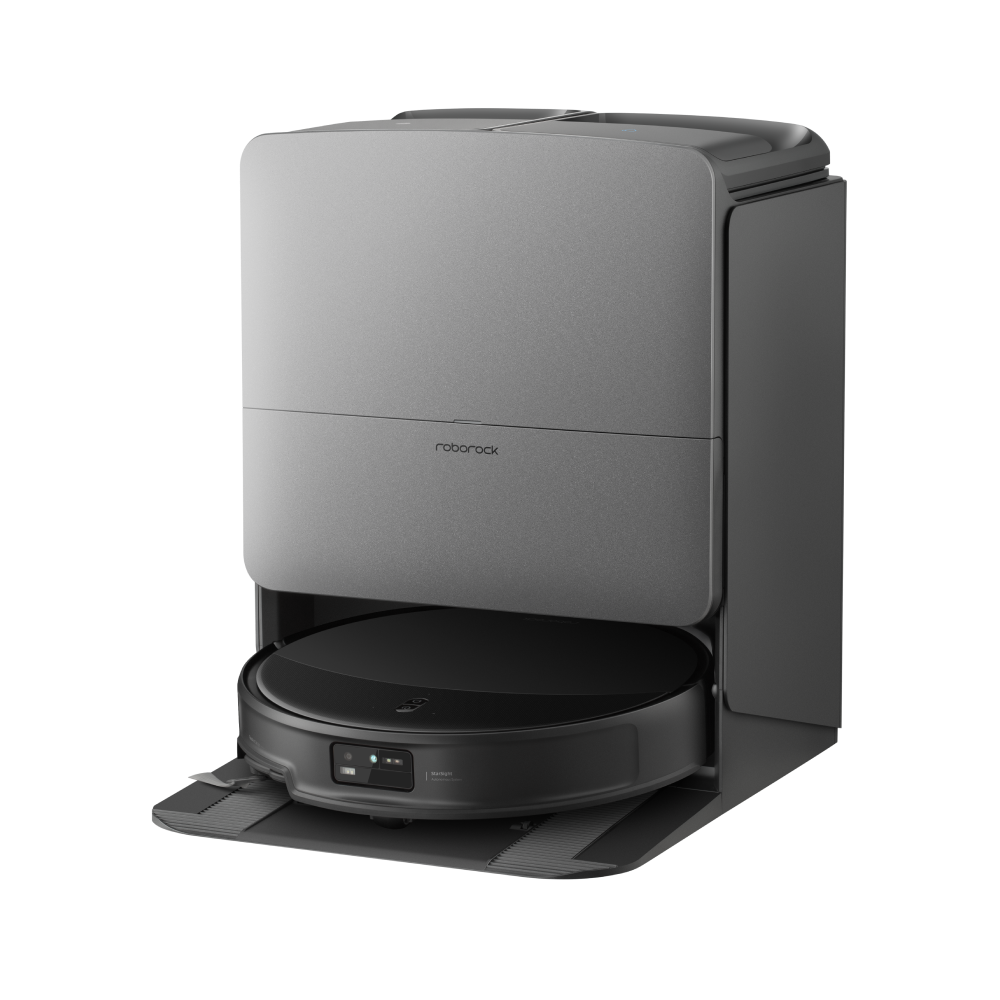
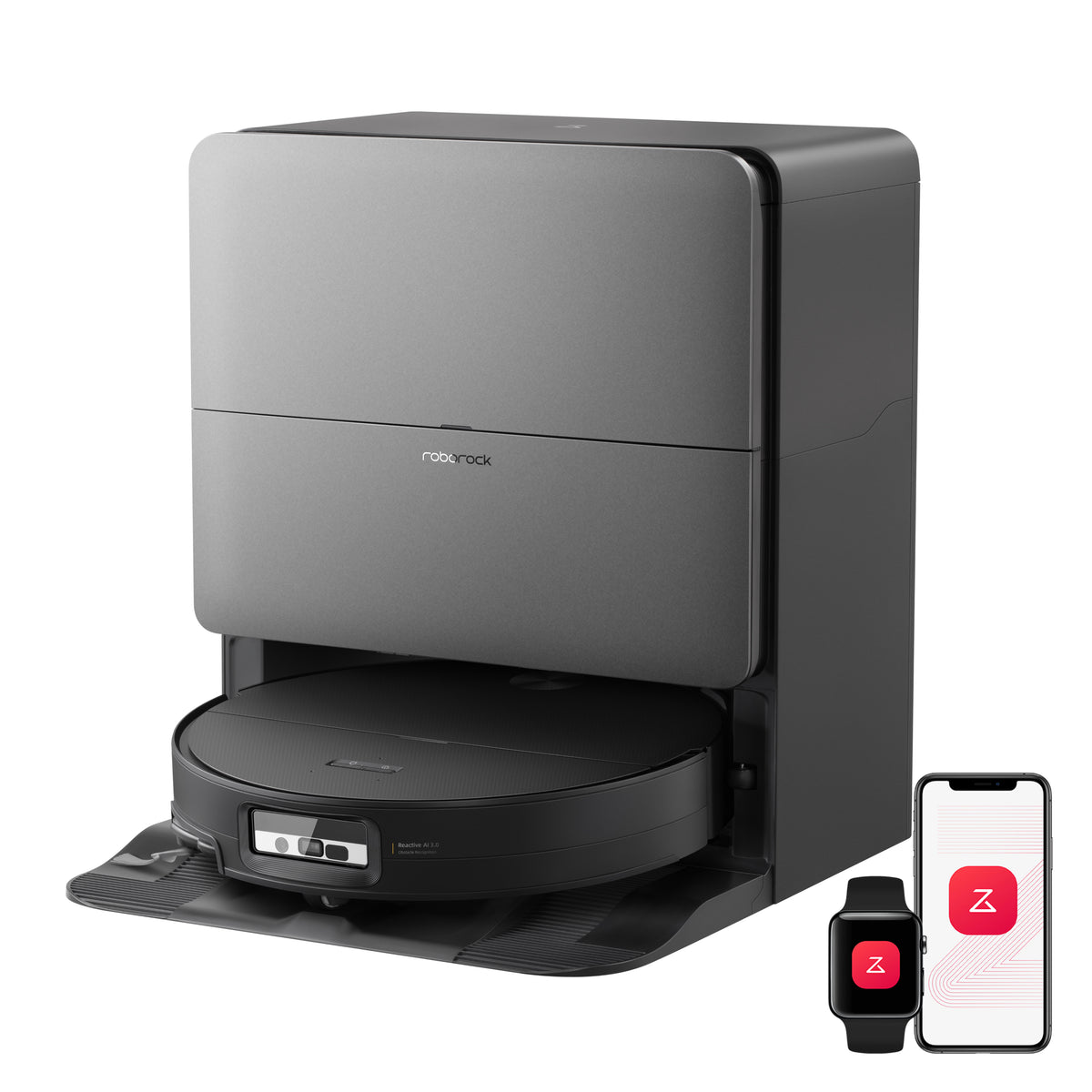
The Saros 20 uses StarSight 3D ToF navigation and dual rotating mops. The Saros 20 Sonic instead combines RetractSense navigation with VibraRise 5.0 sonic mopping. The Saros 20 Flow uses a SpiraFlow 2.0 roller and RetractSense. Saros 10, S8 MaxV Ultra and Saros 20 specifications cannot be used interchangeably.
Navigation and obstacles
Dreame documents VersaLift navigation and camera-based obstacle detection for its X60 Max Ultra Complete. Those are useful design differences to compare with the selected Saros model. Object-recognition counts and suction ratings come from different manufacturer protocols; they do not establish which robot handles a dark sock, cable or pet accident better in your home. Keep sensitive areas out of cleaning routes and follow the manual.
Mopping and dock care
Dreame's extending dual pads, Saros 20's rotating pads, Sonic's vibrating pad and Flow's roller offer different approaches to edge reach and mop cleaning. Check water handling, washable parts, consumables and the exact dock included. Manufacturer washing temperatures are feature claims, not evidence of faster drying or superior hygiene in a home. Follow the flooring manufacturer's moisture and cleaner instructions, particularly for wood.
Threshold geometry matters
Roborock advertises up to 3.46 inches (8.8 cm) combined double-layer crossing for Saros 20. Its internal-test footnote specifies a first rise no higher than 1.77 inches, a gap greater than 4.72 and no greater than 5.51 inches, and a second rise no higher than 1.69 inches. This is not an 8.8 cm single-step guarantee. Compare Dreame's exact model-specific ProLeap conditions with the shape of your doorways rather than declaring a brand winner from unrelated maximum figures.
Compare current offers and evidence
Older flagships can be worth considering when their exact offers are cheaper, but August prices are historical observations. See the rankings and product pages for dated offers and evidence status. Sonic and Flow have no published RAI score; their presence does not establish a cleaning-performance ranking. Choose by documented clearance, mop design, parts support and the price actually available to you.