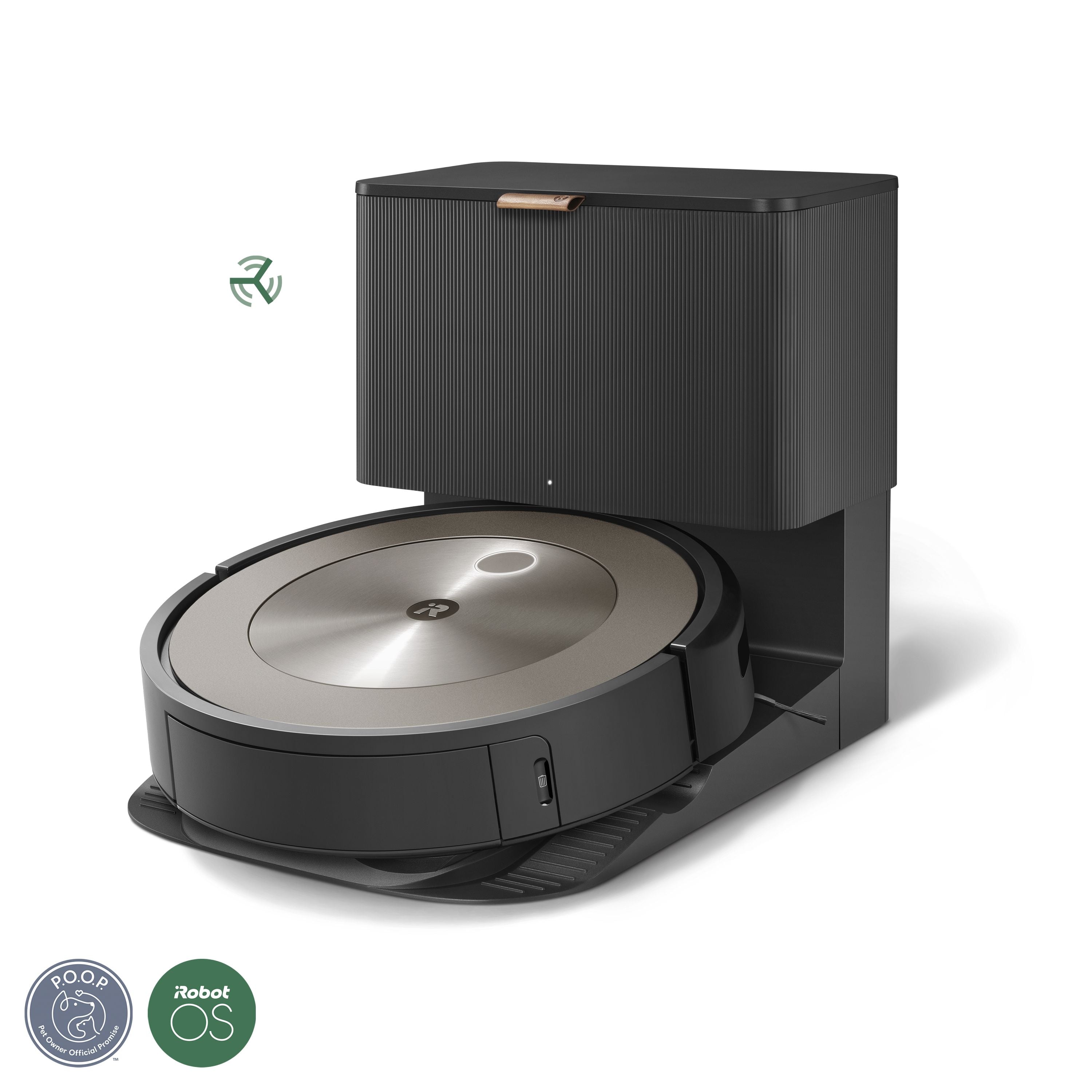
When you're spending $500-$1,600 on a robot vacuum, or $20K+ on a humanoid, "smart" is a vague promise. Marketing copy talks about AI, LiDAR, and 35,000 Pa suction. None of that tells you what you actually want to know: can I set this thing up and never think about it again?
That's the question the Robot Autonomy Index (RAI) exists to answer. It's a single 0-100 score for one property: how autonomous is this robot, really?
The Four Pillars
1. Navigation Intelligence (0-100)
How precisely the robot maps a space and how efficiently it covers it. The pillar weighs LiDAR/visual SLAM quality, persistent multi-floor maps, no-go-zone accuracy, re-localization after being moved, and coverage redundancy: does it cover the floor once, or crawl the same lane three times? A 90+ score means true SLAM mapping, efficient back-and-forth coverage, and reliable re-docking.
2. Obstacle Avoidance (0-100)
Real-world object detection and avoidance: the difference between a robot that glides around a charging cable and one that eats it. The pillar weighs the sensor suite (structured light, 3D ToF, RGB AI cameras), the breadth of the manufacturer's trained object set, low-light capability, and the false-positive rate. A 90+ score means 3D/AI recognition rather than bumper-and-retry, and no stranding itself to avoid shadows.
3. Automation Level (0-100)
How little human input a full cycle of operation needs. The pillar weighs scheduling intelligence, automatic suction/water/mode adaptation by surface, threshold and terrain handling, and error recovery: does it resume on its own, or wait for a human reset? A 90+ robot runs on a schedule, adapts itself, and never needs you to restart a job.
4. Maintenance Independence (0-100)
How long the robot runs before a human has to touch it. This is where all-in-one docks earn their keep: auto-empty capacity in weeks rather than days, mop washing and hot-air drying, automatic water and detergent handling, and self-rescue from stuck states. A 95+ score means the dock does essentially everything between bag changes.
How the Final Score Is Computed
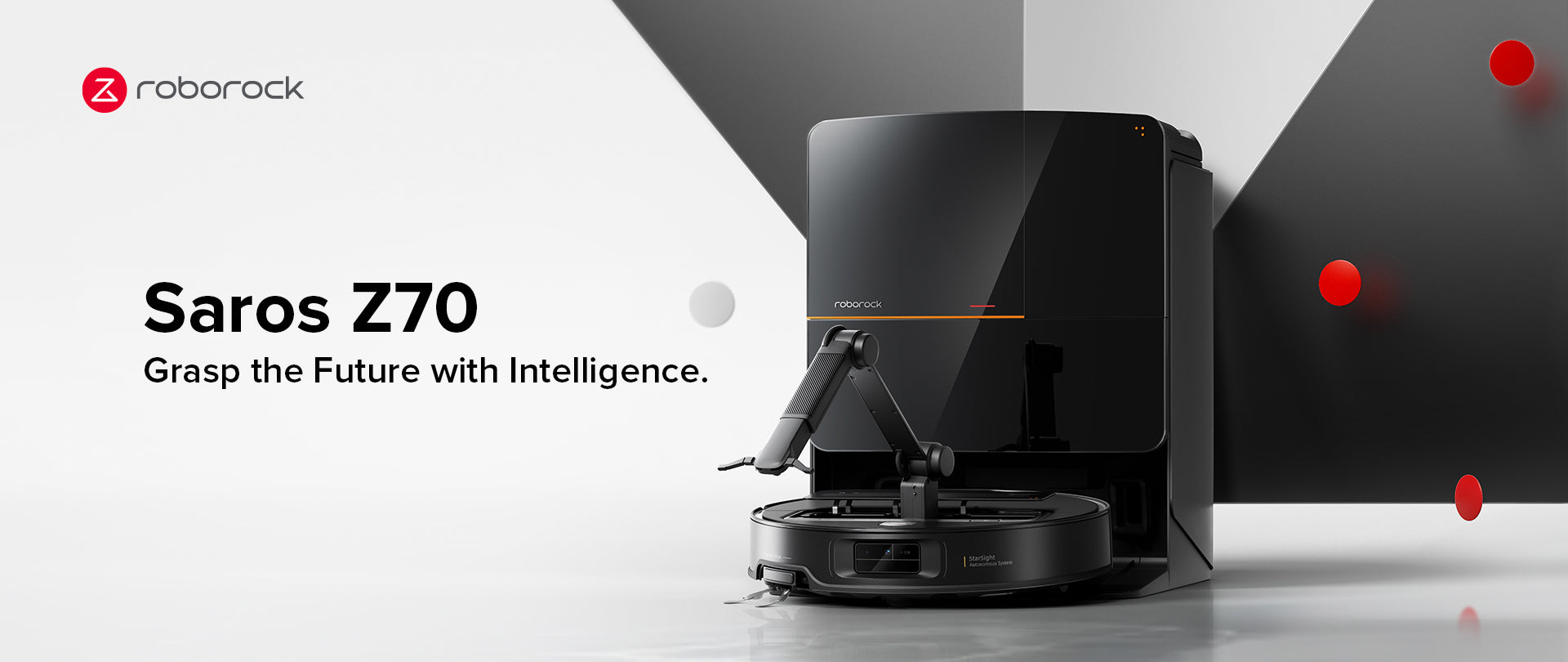
The composite RAI is the rounded equal-weight mean of the four pillar sub-scores. The equal weighting is deliberate: a robot that navigates brilliantly but requires daily intervention isn't truly autonomous, so no single pillar can carry the score. Example from the live index: the Roborock Saros Z70 scores 97 / 97 / 96 / 97 across the four pillars, which averages to its composite RAI of 97.
What the Numbers Mean
- 95-100 (Frontier-class): the most autonomous machines in the index. Weeks of genuinely hands-off operation.
- 85-94 (Highly autonomous): excellent everyday autonomy with a capable dock; occasional human input. The sweet spot for most buyers.
- 70-84 (Capable): maps and cleans well but needs regular hands-on maintenance (emptying, rinsing, or rescuing).
- 50-69 (Assisted): gets the job done with frequent supervision.
- Below 50 (Manual-leaning): closer to a powered tool than a hands-off robot.
Where the Inputs Come From
Pillar scores are assigned editorially from manufacturer-published specifications (sensor hardware, dock functions, battery and bag capacities), documented feature behavior, and each product's evidence record in the catalog. Every robot's detail page shows its full pillar breakdown plus an evidence label, so you can see exactly what a score is based on, and what it isn't. The RAI does not incorporate paid placements, and a spec the manufacturer won't document doesn't earn points.
Browse the full index on the rankings page, or see the top home robots by RAI.