The honest version of this comparison starts with a concession: on deep-cleaning power per pass, a corded upright or a good stick vacuum still wins. A machine with a motorized wide head, a human aiming it, and no battery-weight constraint extracts more from medium-pile carpet in one session than any robot. If the question were "which cleans a dirty carpet better right now," the article would end here.
That isn't the question that decides real households. The question is what your floors look like on the average day, and that is a frequency contest, which robots win by default. A scheduled robot runs daily or near-daily because it costs you nothing to let it; almost nobody hand-vacuums seven days a week. Thirty adequate passes a month beat four excellent ones for surface debris, pet hair, and tracked grit, and hard floors blunt the robots' one real weakness, since deep carpet extraction stops mattering there.
Where each side is genuinely better
| Robot vacuum | Traditional (upright/stick) | |
|---|---|---|
| Deep carpet extraction | Weaker per pass | Wins |
| Day-to-day surface debris and pet hair | Wins on frequency | Depends on your discipline |
| Stairs, upholstery, car, cobwebs | Cannot | Only option |
| Edges and corners | Side brushes and extending mops narrow the gap; still imperfect | Wins with a crevice tool |
| Effort per clean | ~Zero once scheduled | Your time, every time |
| Cluttered floors | Needs AI avoidance, still imperfect | Human pilots around anything |
| Also mops | Most 2026 models do | No |
The time argument, as arithmetic
Label this what it is: an illustration, not a study. Hand-vacuuming a typical multi-room home takes on the order of 30-45 minutes; twice a week, that is roughly 1-1.5 hours weekly, or 50-80 hours a year of your labor. A robot with a self-empty dock consumes perhaps 15 minutes a month of human attention (bag changes, sensor wipes, the occasional rescue; the maintenance guide itemizes it), call it 3-5 hours a year. Whether saving ~50-75 hours annually justifies the hardware is your call to price. The point is that the trade is time-for-money, and the time number is large.
The money argument, honestly
Three-year sketch using live catalog prices, with consumables estimated from typical accessory pricing (labeled estimates, itemized in the maintenance guide):
- Robot, value-flagship route: Roborock S8 MaxV Ultra at ~$850, plus roughly $50-$85/year in bags, filters, brushes, and pads → on the order of $1,000-$1,100 over three years.
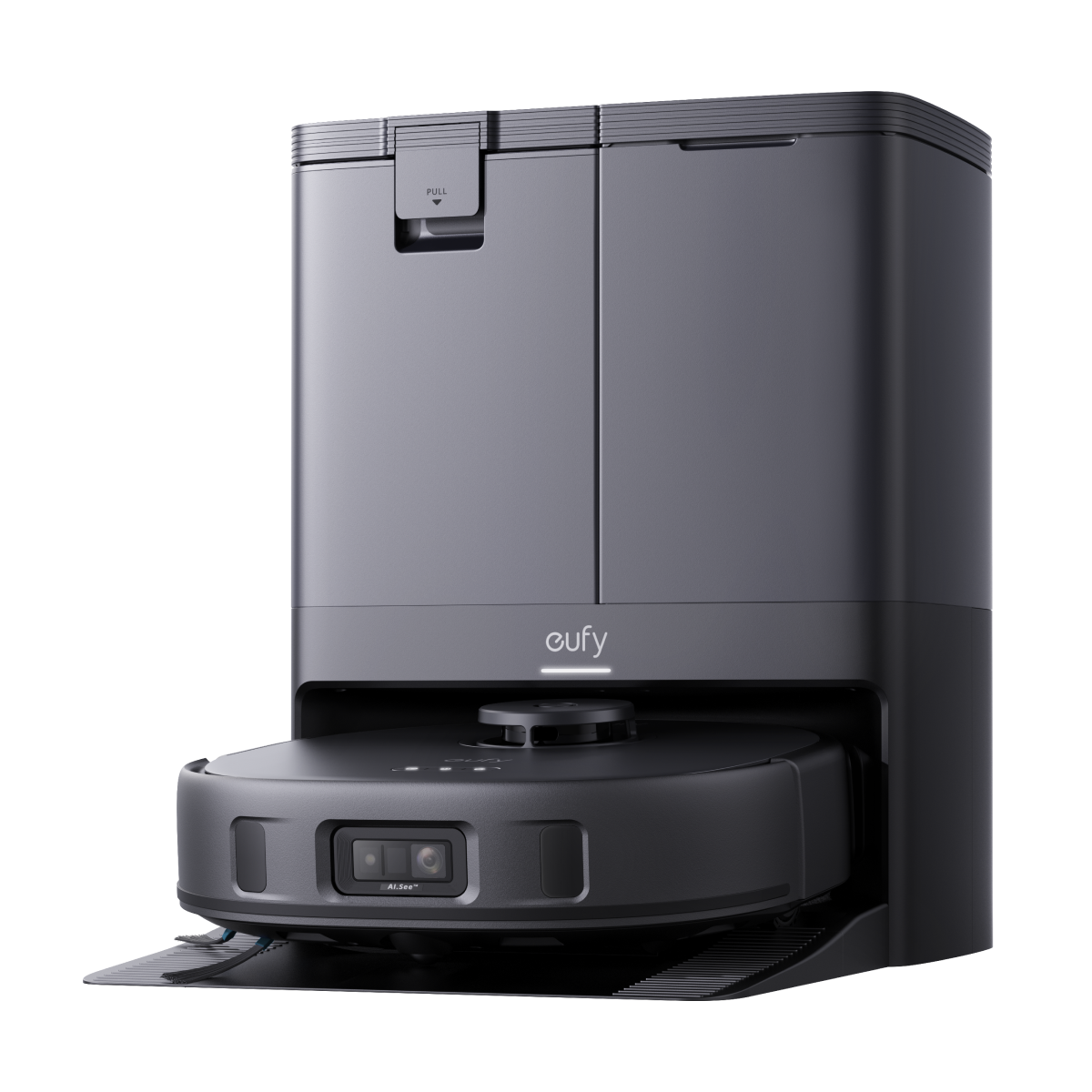
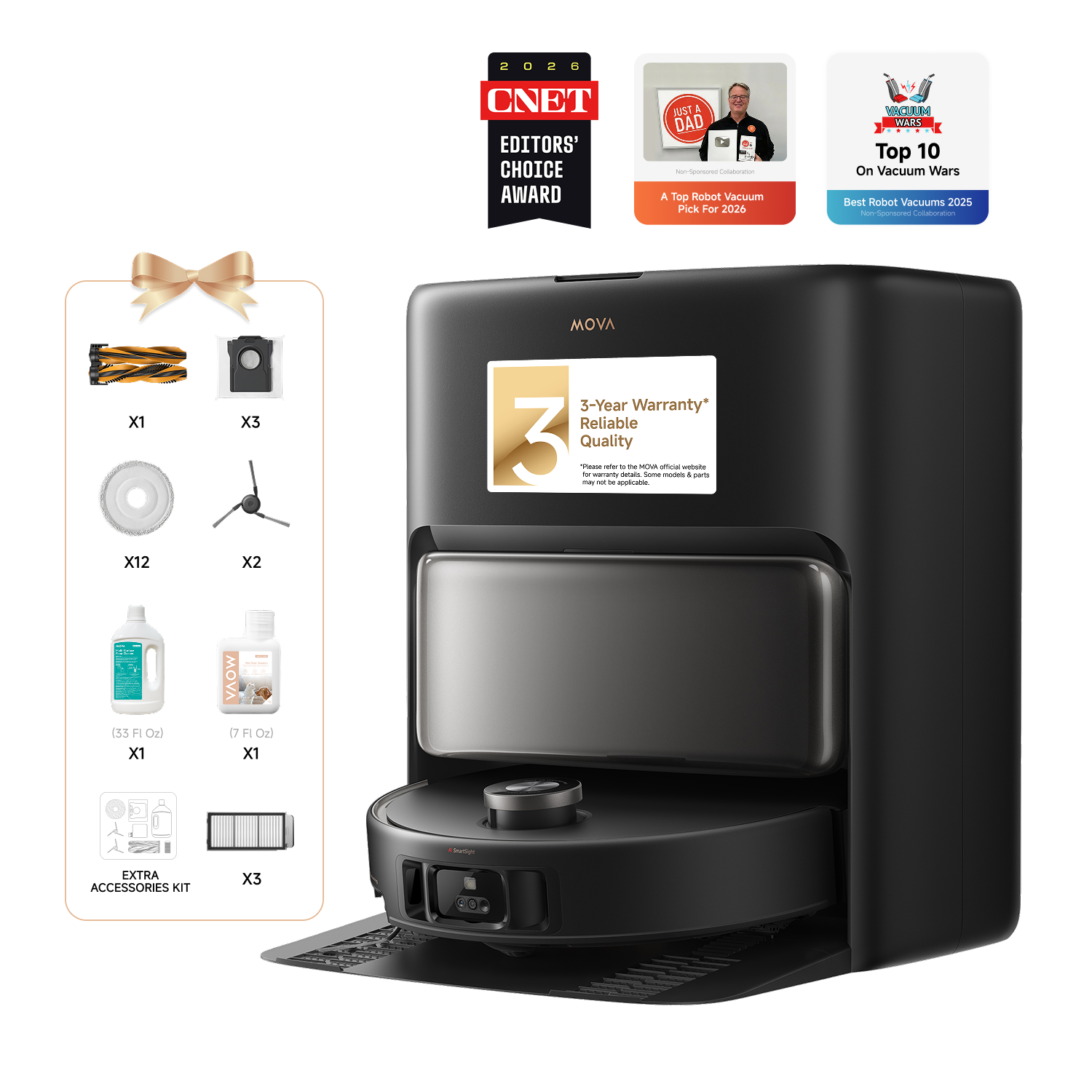
- Robot, budget route: Eufy X10 Pro Omni at ~$480 or Mova V50 Ultra at $699, plus consumables → roughly $600-$900 over three years.
- Traditional route: a quality stick or upright at $300-$750 with modest filter costs → roughly $350-$850 over three years, plus all the labor above.
The gap between a good robot and a good manual vacuum over three years is now a few hundred dollars, not the four-figure spread of the early flagship era. Price compression on last-gen flagships (a RAI-92 machine at ~$599) did that.
Who lands where
- Mostly hard floors: the robot case is strongest. Frequency wins, deep-carpet weakness is irrelevant, and most 2026 robots mop the same floors. Start at the rankings.
- Wall-to-wall medium/thick carpet: keep a serious manual vacuum either way; a robot is an (excellent) supplement for daily hair and grit, not a replacement for periodic deep extraction.
- Shedding pets: the strongest single robot use case. Daily automated pickup is the only schedule that keeps up with continuous shedding. The pet-hair guide has the picks.
- Small cluttered apartment, tight budget: a $150-$300 stick vacuum honestly serves better than a bottom-tier robot that can't navigate the clutter.
Compare specific robots on the comparison tool, or see what each budget buys in the buying guide.