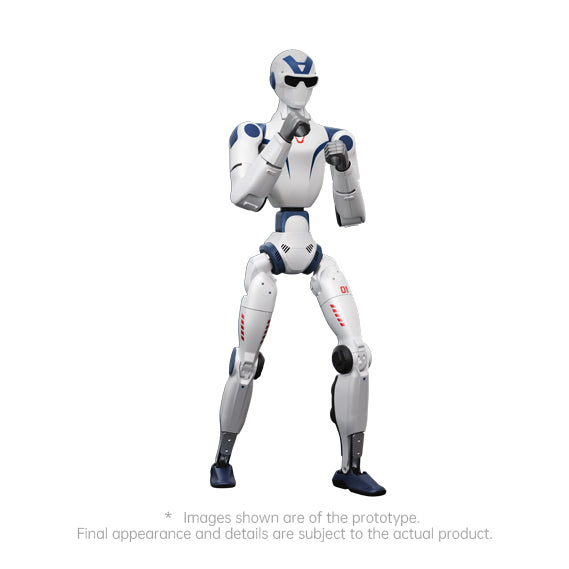
Every week brings another humanoid robot reveal, a backflip demo here, a factory pilot there, a glossy catwalk video that makes you wonder if there's a person in the suit. The hype says the humanoid age has arrived. Our data says something more interesting: the field is enormous, fragmented, and almost entirely unbuyable.
We track 31 humanoid robots from 26 different brands. Here's the part that should reset expectations:
Only 1 of 31 is actually in stock
Sort our humanoid index by availability and the picture is stark:
- 1 in stock today. It's the Sony Aibo, a $2,900 robot dog, not a labor humanoid.
- 13 available by preorder or enterprise quote. You can reserve or request one, but most ship later or sell only to businesses.
- 17 you cannot buy at any price: research units, announced concepts, and enterprise-only platforms with no consumer channel.
More than half of the humanoids generating headlines aren't products yet. They're demos. The "humanoid you can actually buy" is still a category of roughly a dozen, and most of those are developer kits or six-figure industrial machines.
It's a 26-brand land grab, led from China
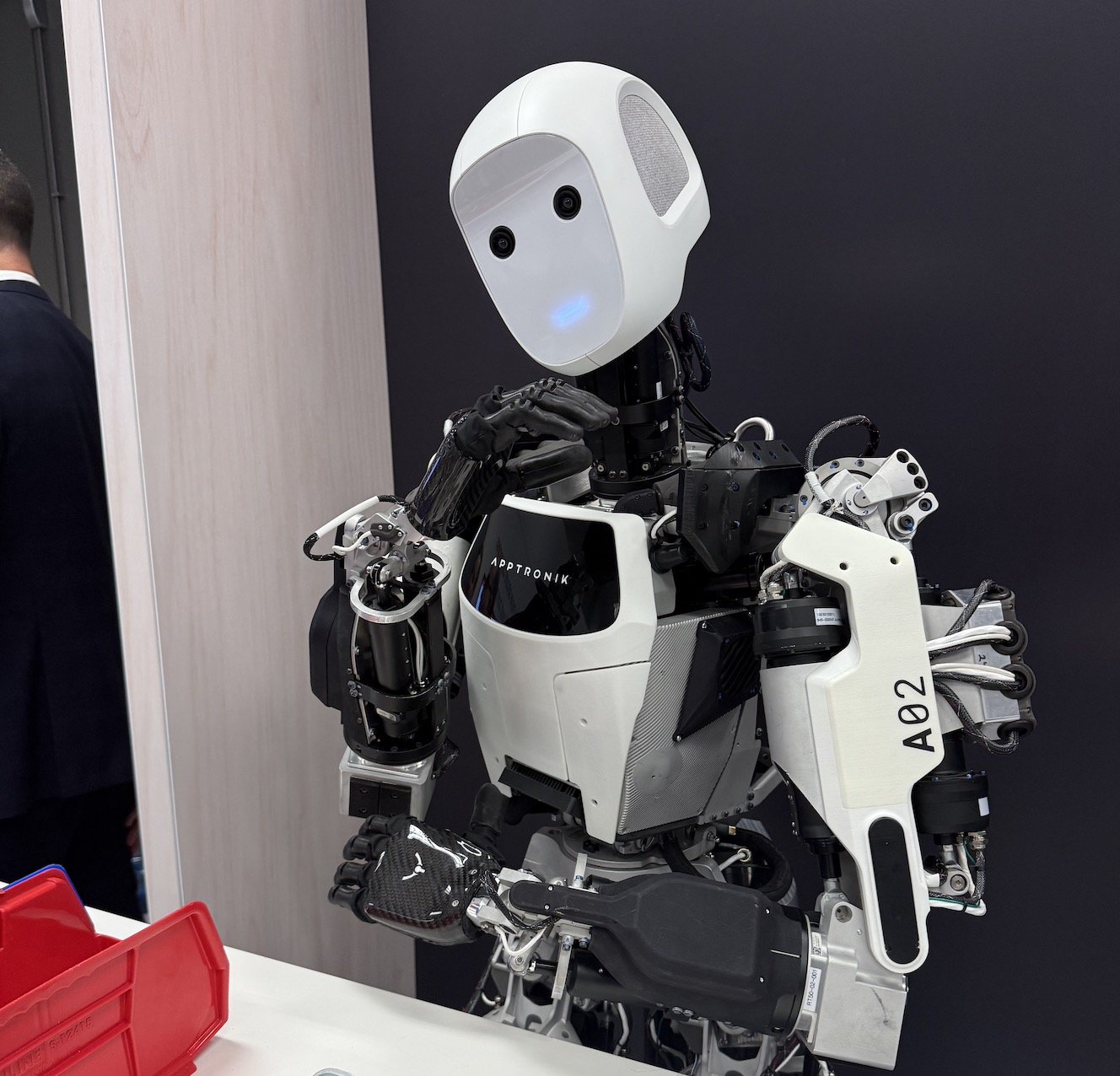
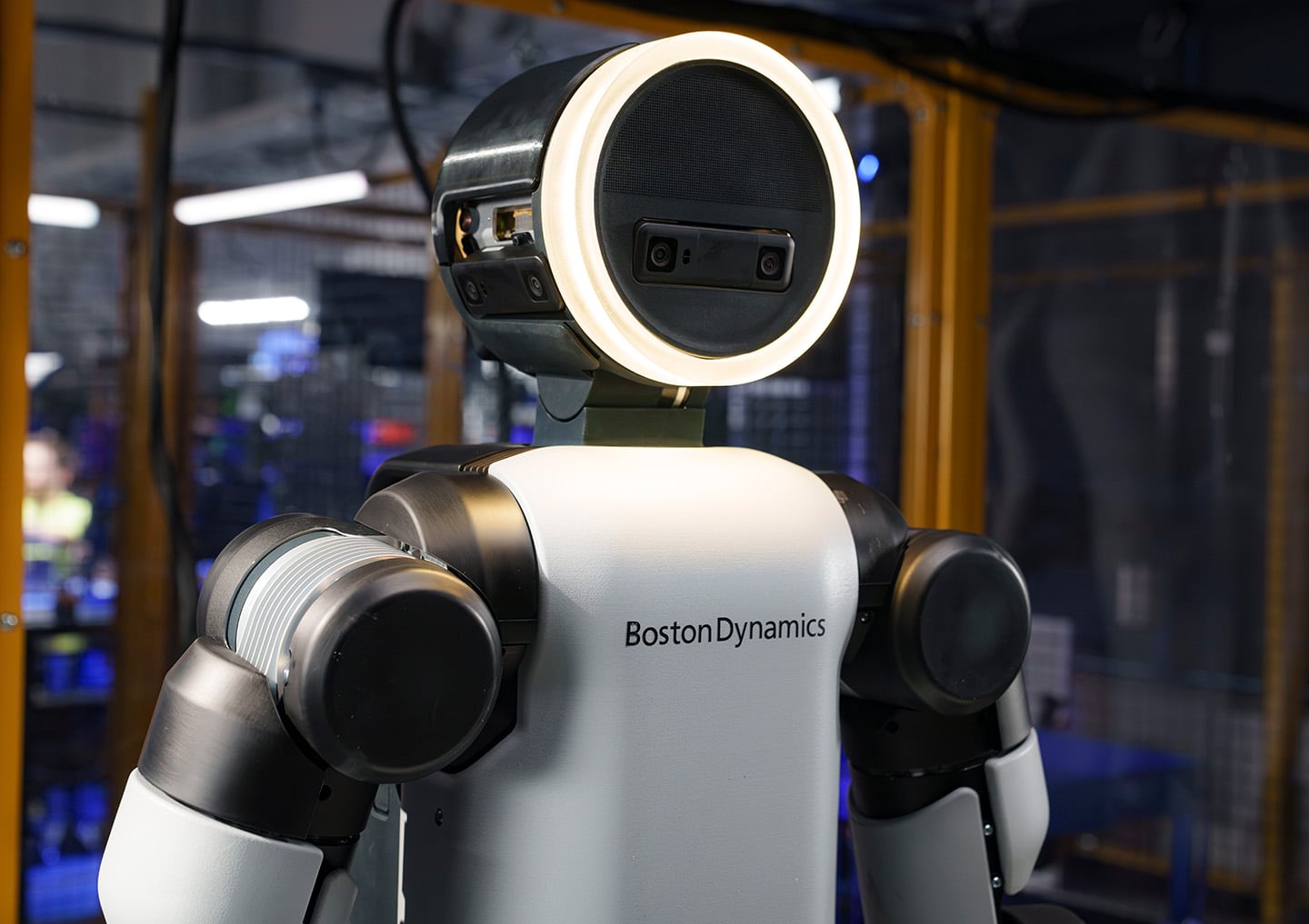
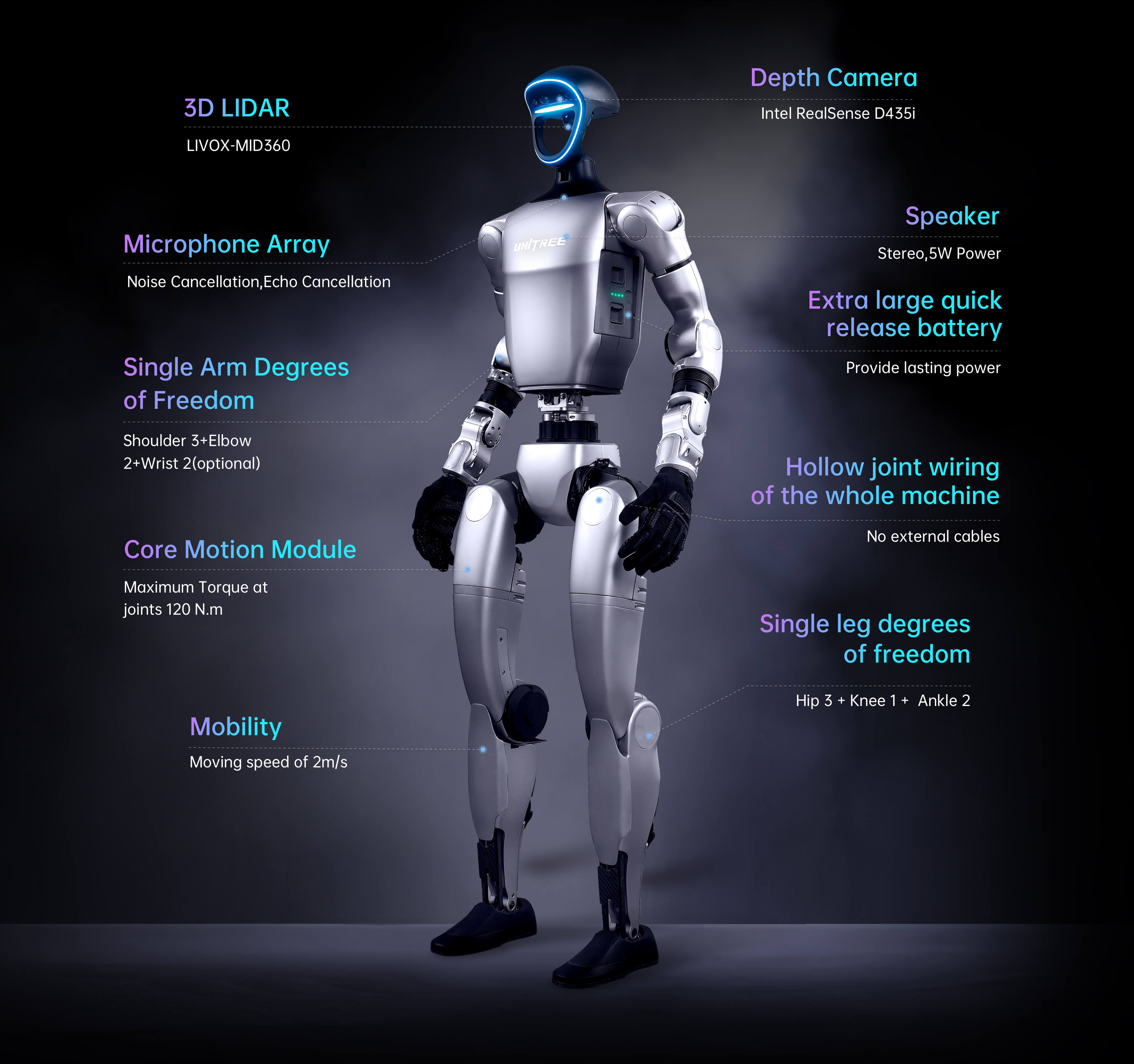
No single company dominates. Unitree fields the most models we track (four); the rest is a long tail of one-model brands. By origin the split is lopsided: Chinese makers account for roughly 17 of the 31 humanoids (Unitree, UBTech, XPeng, Fourier, Kepler, RobotEra, Galbot, EngineAI, Booster, Astribot, AgiBot, Xiaomi), versus about 11 from the US (Figure, Boston Dynamics, Tesla, Apptronik, Agility, Sanctuary, Fauna, Sunday, 1X) and a handful from Europe (Neura, Engineered Arts, Clone) and Japan (Sony).
The takeaway for buyers and investors alike: the humanoid race isn't a two-horse Tesla-vs-Figure story. It's a crowded, mostly-Chinese field where the winners haven't been decided, and where price spans nearly two orders of magnitude.
$1,999 to $150,000: the price gap is the story
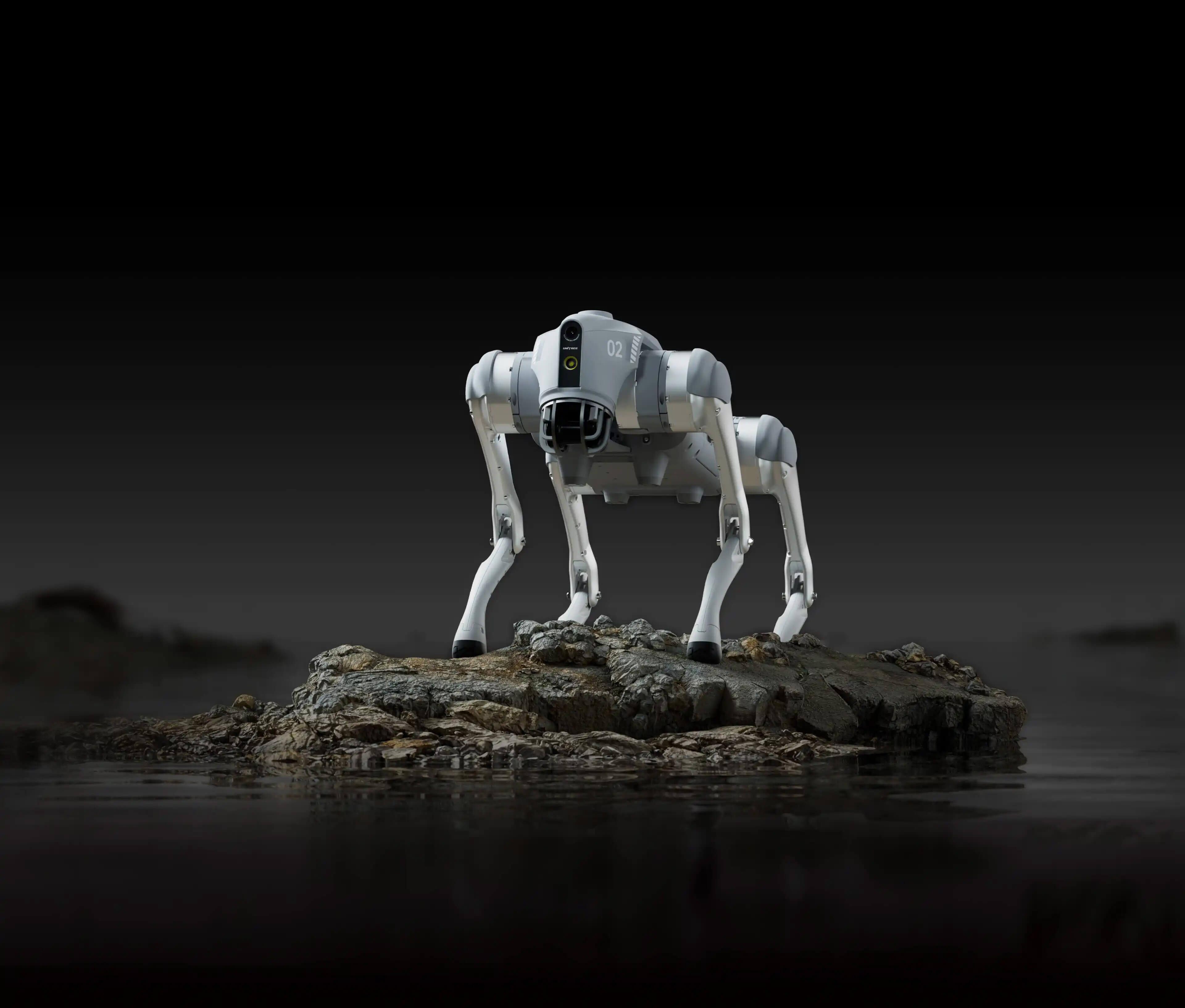
The cheapest humanoid-class robot you can order is the Unitree Go2 quadruped at $1,999. The cheapest bipedal one is the Unitree R1 at $4,900. At the other end, Boston Dynamics' electric Atlas is estimated around $150,000, and isn't for sale to consumers at all. The priciest one you can actually order is the UBTech Walker S2 at ~$145,000.
That ~75× spread reveals two markets wearing the same word: sub-$5K developer/companion robots, and $30K-$150K enterprise machines. There is almost nothing in the consumer middle. The "$10K humanoid that does your dishes" doesn't ship yet.
Humanoids still lose to vacuums on autonomy
Here's the contrarian data point. We score every robot 0-100 on our Robot Autonomy Index (RAI), which measures how hands-off it truly is. The highest-scoring robots we track aren't humanoids at all. They're robot vacuums: the Roborock Saros Z70 and Dreame X60 Max Ultra hit 97. The best humanoids trail well behind. Bipedal robots are spectacular at mobility and early at autonomy. They still need an operator or a scripted task. A $1,500 vacuum runs your floors unattended for months; a $50,000 humanoid mostly cannot run your house unattended at all.
Methodology: figures reflect the RobotSniper humanoid index as of June 2026 (31 tracked models). Availability tiers are assigned from live retailer and manufacturer data. RAI scores use our four-pillar autonomy methodology. Press and analysts: reach out for the underlying dataset.