Read 25 current spec sheets side by side and the 2026 robot vacuum market stops looking like a blur of launches and starts showing clear structural shifts. Six of them matter for buyers.
1. The suction arms race hit 36,000 Pa: treat it as marketing
Two years ago a 10,000 Pa rating was flagship territory; the S8 MaxV Ultra launched at exactly that in 2024. The 2026 catalog now lists the Roborock Saros 20 at 36,000 Pa, the Dreame X60 Max Ultra and L60 Pro Ultra at 35,000 Pa, the Narwal Flow 2 at 31,000 Pa, and the Deebot X9S Pro Omni at 30,000 Pa.
The caveat belongs in the same sentence: Pascal ratings are unregulated manufacturer bench numbers, produced under sealed-nozzle conditions no living room reproduces, and they are not comparable across brands. Meanwhile the RAI's top composite score belongs to a 22,000 Pa machine (the Saros Z70), because navigation, avoidance, and dock capability drive real autonomy, not the peak Pa figure. Read suction claims as a tiebreaker, never a headline.
2. Roller mops are replacing spinning pads
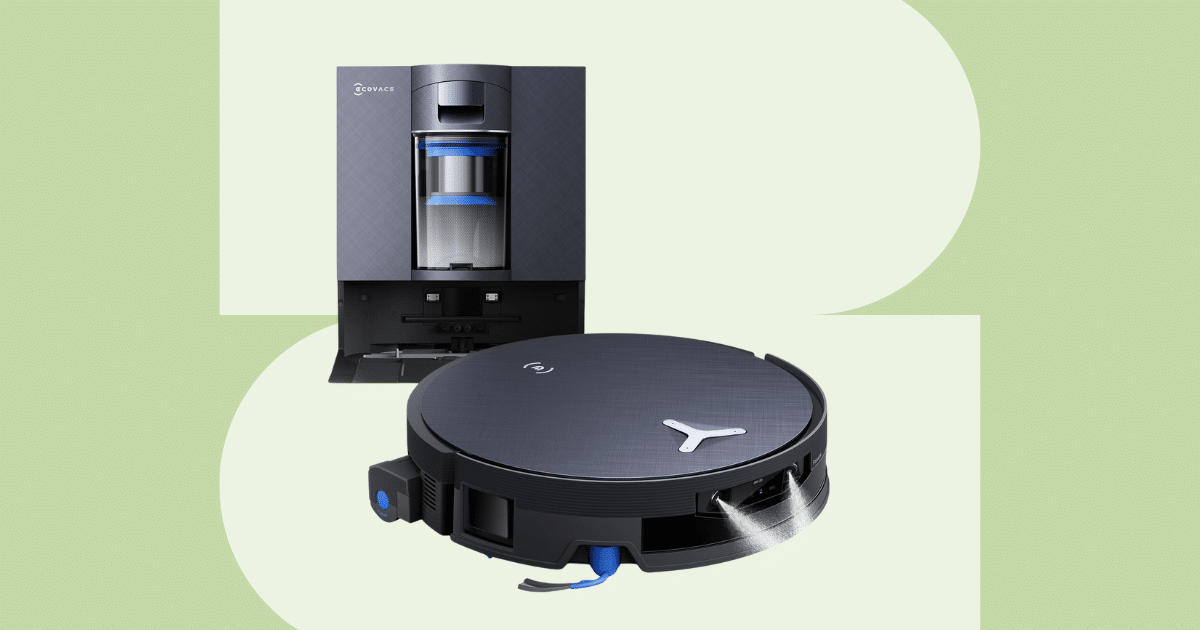
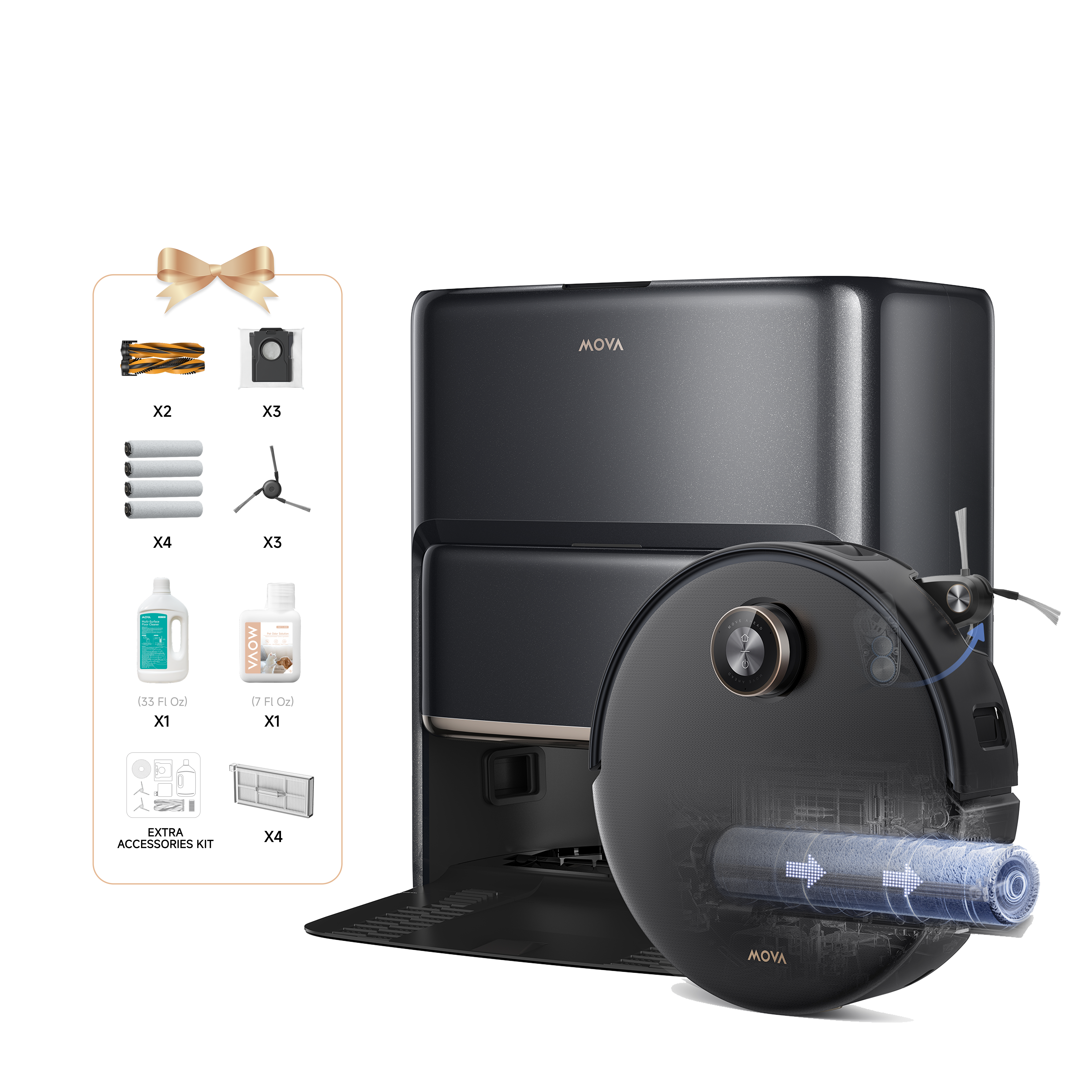
The most concrete engineering trend in the catalog: six current models mop with a continuously self-washing roller instead of pads. They are Ecovacs' OZMO Roller (X9 Pro Omni, X9S, X12), Roborock's 270 mm SpiraFlow (Qrevo Curv 2 Flow), Narwal's FlowWash (Flow 2), and the Mova Z60, whose base washes the roller at a claimed 80°C. iRobot's Roomba Max 705 Combo joins with its PowerSpin roller. The mechanical argument for rollers is straightforward: the mop surface is rinsed mid-job rather than dragging one pair of pads through the whole house. The pad camp answers with reach: Dreame's MopExtend and Roborock's dual-spin-extendable arms push a pad into corners a fixed-width roller can't touch. The robot mop guide breaks down both designs model by model.
3. The LiDAR turret is disappearing
The spinning turret that defined robot vacuum silhouettes for a decade is going away, two ways at once. Retractable turrets: the Saros 10 (79.8 mm tall with the turret ducked), Dreame X50 Ultra (VersaLift), and Mova V50 all drop the sensor to slide under low furniture. And elimination outright: the Saros 20 navigates with StarSight 2.0 solid-state sensing, Roborock shipping a flagship with no spinning LiDAR at all. Sofa clearance, one of the oldest robot vacuum complaints, is becoming a solved problem.
4. The robot arm shipped, but the market hasn't decided if it matters
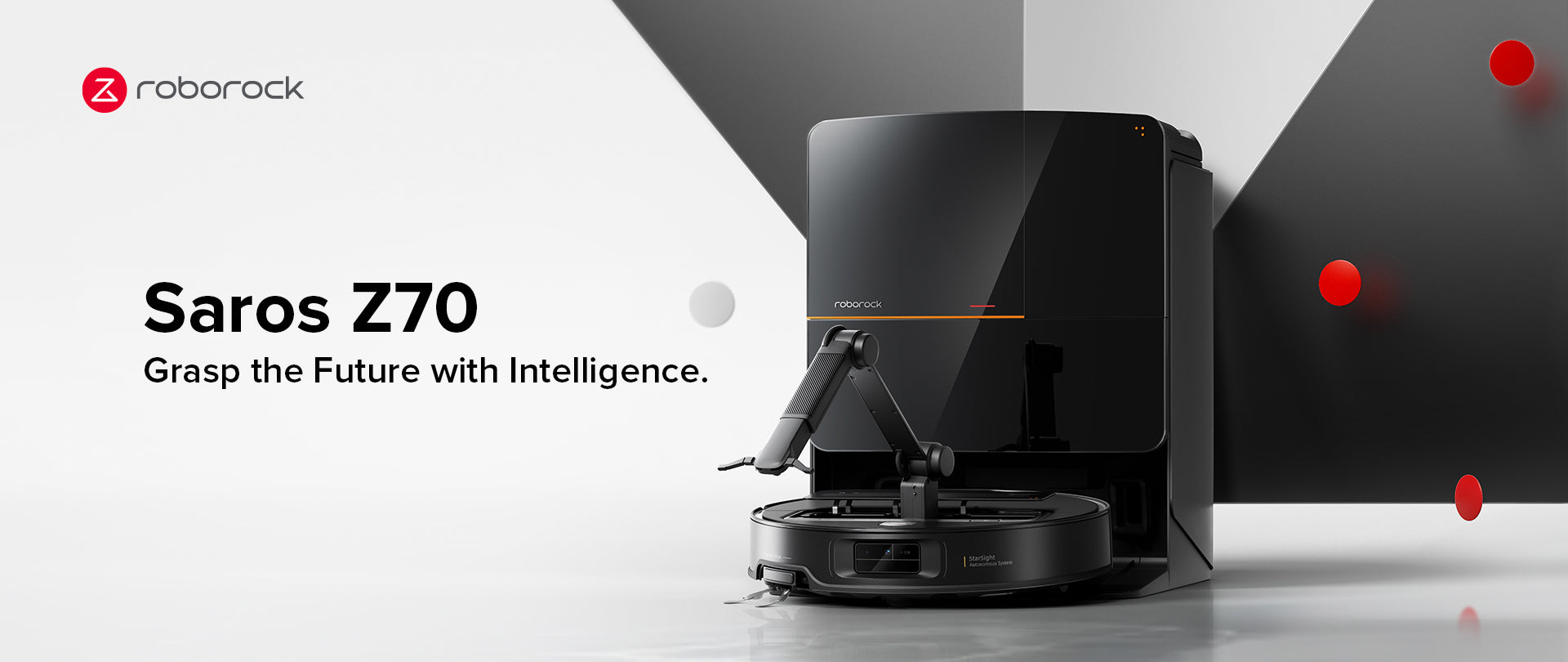
The Saros Z70 is the first mass-market robot vacuum with a functioning manipulator: the OmniGrip 5-axis arm, which Roborock says lifts light obstacles like socks and small towels out of the cleaning path. One data point worth watching is the price: launched at a $2,599 MSRP, it now retails at $1,299.99 (flagship-normal), while holding the index's top RAI at 97. Whether the arm becomes a category standard or a one-generation experiment, it is no longer vaporware, and no competitor has shipped an answer.
5. Docks now do everything, and the bag itself is under attack
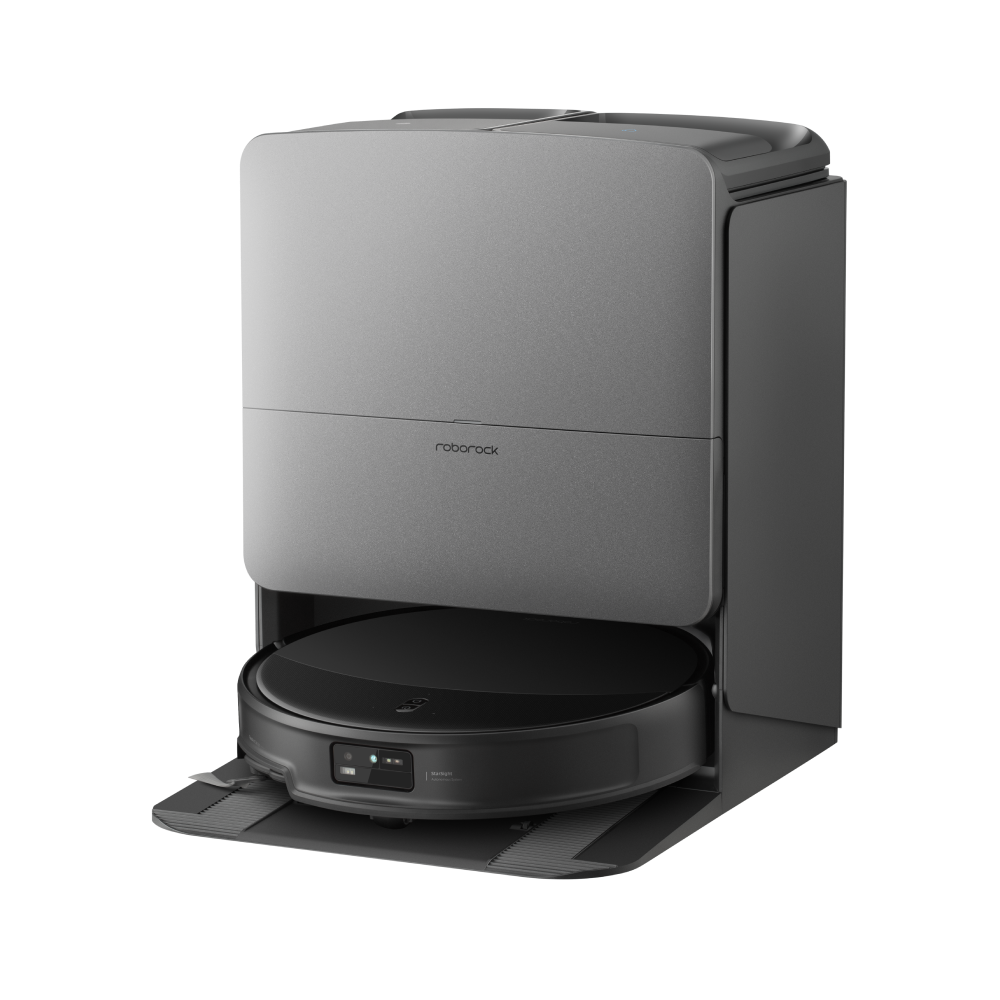
A self-emptying dock is now the default across the catalog (the notable holdouts are deliberate, like the dockless Roborock S8), and nearly every model above roughly $700 also washes and dries its mop. The frontier has moved to what else the dock does: heated pad washing (X60's heated MopExtend, Mova Z60's 80°C roller wash, Roomba Max 705's heated AutoWash), automatic detergent dosing, and, the newest wrinkle, no bag at all. The Deebot X12 OmniCyclone replaces the consumable dust bag with a bagless cyclone dock, eliminating the one recurring cost every other self-empty system carries. If it holds up, expect fast copying.
6. Flagship price compression is the real buyer story
The gap between "flagship" and "mid-range" pricing is collapsing within months rather than years. Catalog examples as of July 2026: the Deebot X9 Pro Omni from a $1,599.99 MSRP to about $599; the Mova V50 Ultra Complete from $1,399 to $699; the S8 MaxV Ultra from $1,599.99 to about $850; the X50 Ultra from $1,699.99 to under $1,000. A buyer willing to be one generation behind now gets a 92-96 RAI machine for mid-range money, which is why the 2026 rankings flag last-gen flagships as the default recommendation.
What to actually shop on
Filter the noise to three questions: does it have credible AI obstacle avoidance (camera or structured-light, not bumper-only)? Does the dock wash and dry the mop as well as empty the bin? And is a one-generation-old flagship available at half price before you pay full freight for the newest badge? Everything else on the spec sheet, above all the Pa number, is a tiebreaker. The live picture is always on the rankings page and the trends tracker.