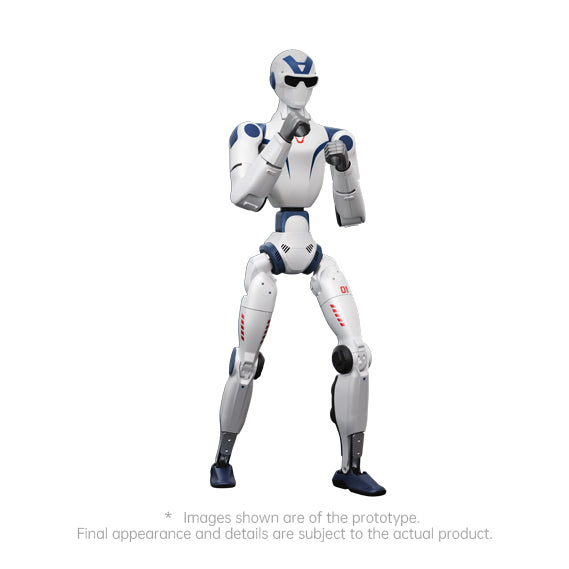
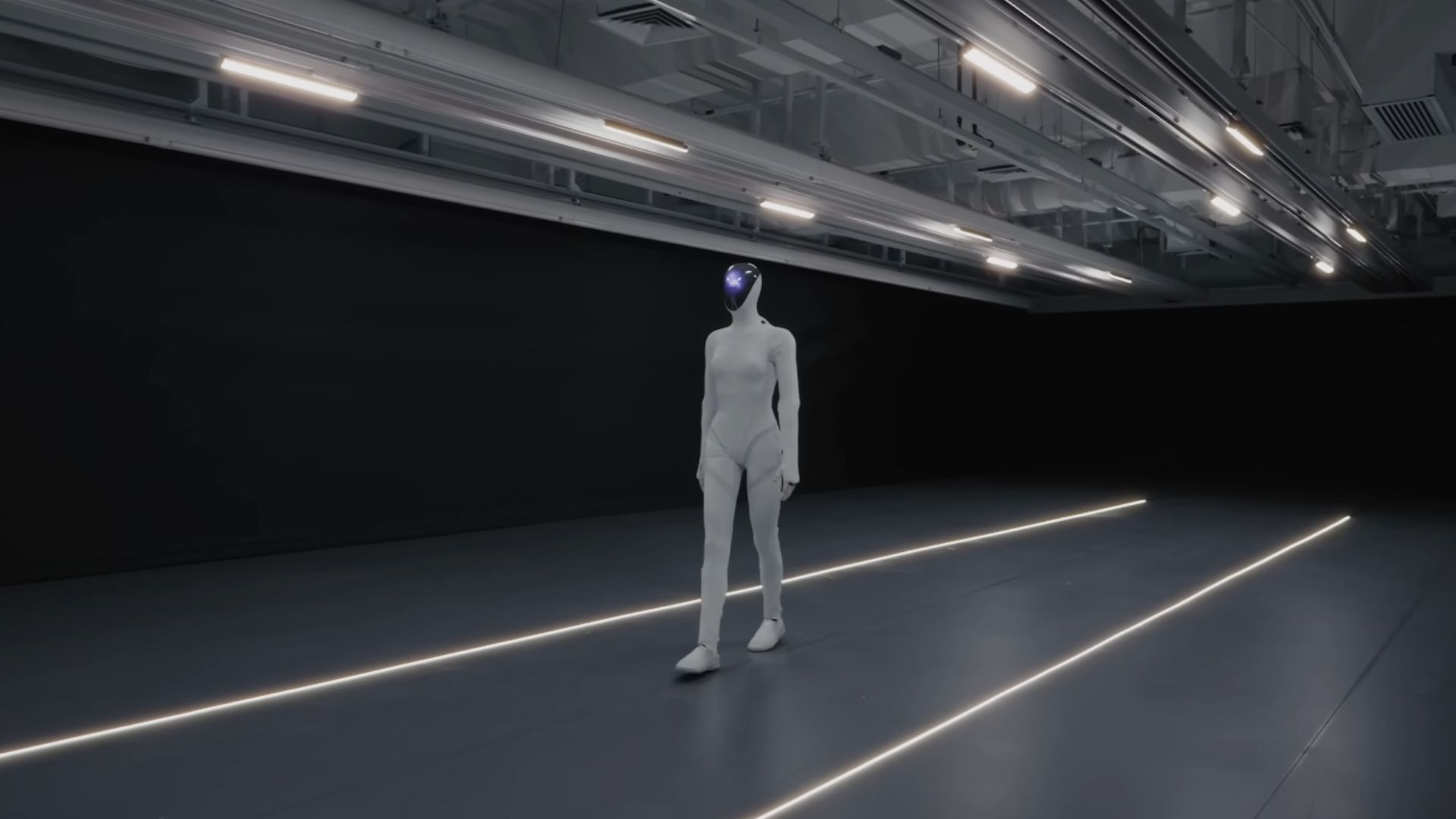
The June state-of-the-field report counted 31 humanoid robots and exactly one you could buy off the shelf. Two months later the index covers 33 models across 27 brands after a July 21 catalog refresh, and the headline is unchanged in the one place it matters: exactly one humanoid-class robot is in stock today, and it is still a robot dog. What has changed is everything around that fact — the price floor, the autonomy ceiling, and the density of credible machines in the $25,000–$50,000 band that was nearly empty in June.
What's new in the index since June
- Figure 03 — Figure's third-generation humanoid, announced October 9, 2025. Per Figure's launch material, it is purpose-built for its Helix vision-language-action AI, redesigned for high-volume manufacturing at its BotQ facility, and aimed at the home as well as commercial work. The catalog lists it as announced with no consumer channel and carries a $25,000 reference figure, not a manufacturer price.
- Unitree H2 — Unitree's full-size flagship: 1.8 m and 31 degrees of freedom with a 2,070-TOPS onboard AI chip, per Unitree's spec sheet. The catalog lists it at $29,900, orderable (backordered), with an April 2026 release date — and at RAI 86 it is the highest-scoring bipedal humanoid in the index that you can actually order.
- Unitree R1 — the new price floor for a full bipedal humanoid at $4,900: 1.23 m, 26 DOF, 25 kg, per Unitree, with onboard multimodal AI. Listed as released June 2026, orderable by preorder.
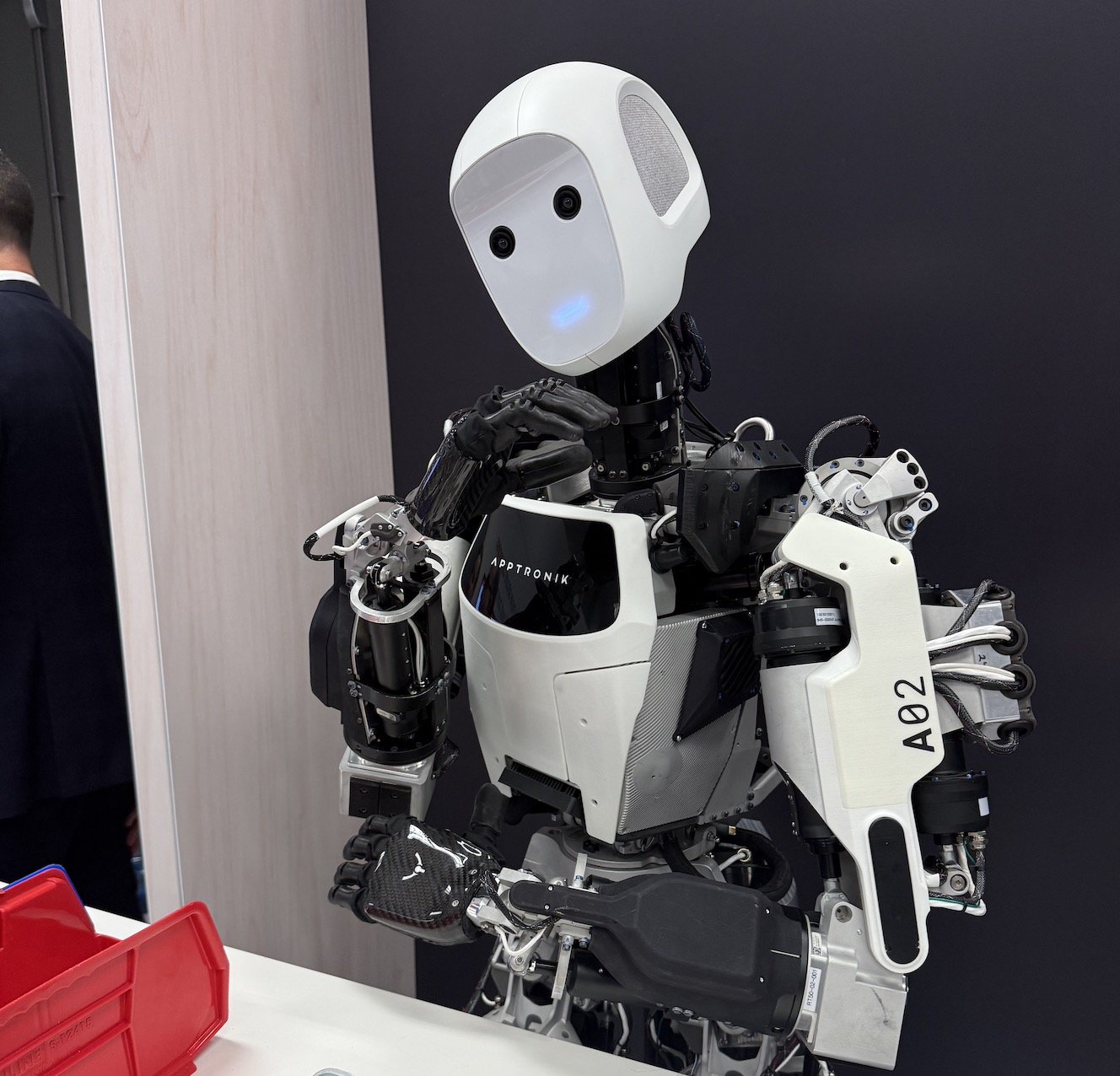
- Apptronik Apollo 2 — the US-built commercial humanoid backed by Google and Mercedes-Benz, running multi-task warehouse pilots with GXO and Jabil. The catalog lists it at $50,000, enterprise quote/backorder, RAI 82.
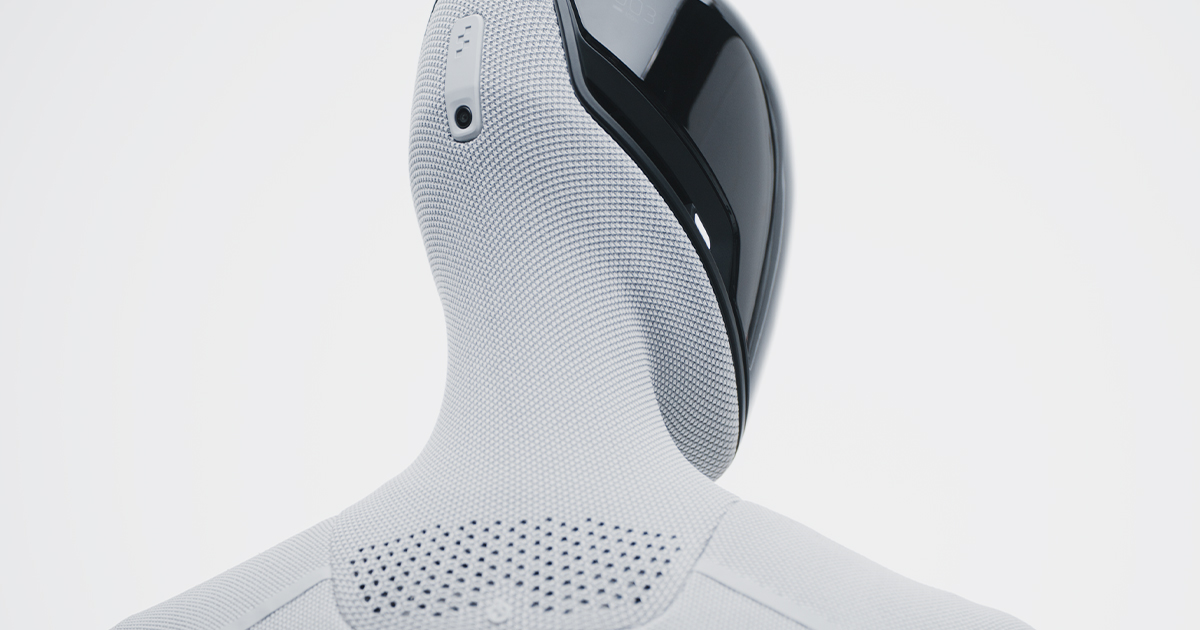
- XPeng Iron — the EV maker's bionic humanoid: 178 cm with a human-like spine, soft touch-sensing skin, 82 DOF, and 2,250 TOPS across three of XPeng's Turing chips, per the catalog record. XPeng unveiled the next-generation Iron at its November 2025 AI Day and says mass production begins by the end of 2026. Listed as announced, $35,000 reference figure, no order channel.
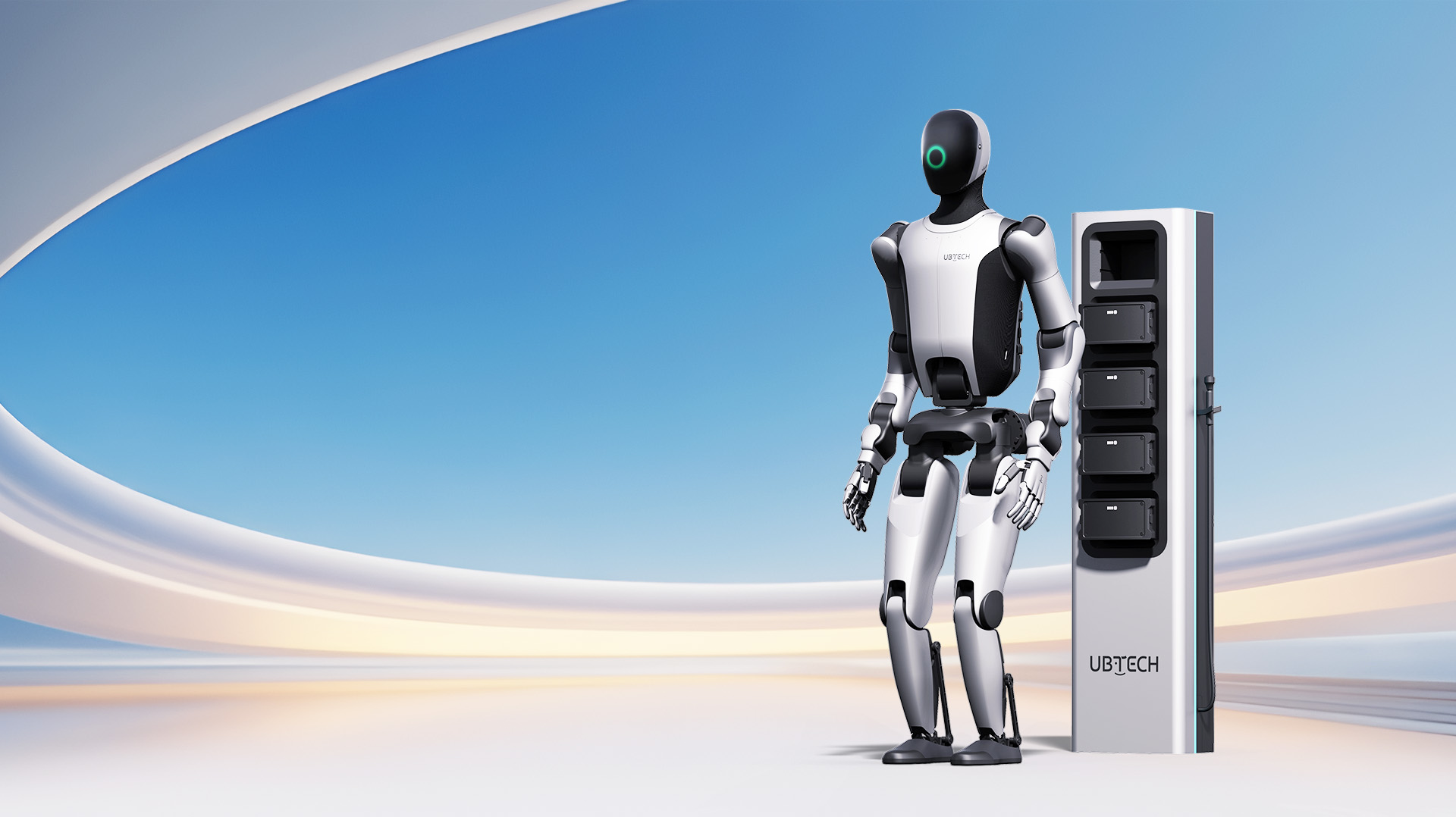
- UBTech Walker S2 — the 52-DOF, 1.76 m industrial humanoid that UBTech says is the first able to swap its own battery autonomously in about 3 minutes for 24/7 operation. The catalog lists it at $145,000, orderable by quote, RAI 85 — the most expensive machine in the index you can actually order.
- Booster T2 — Booster Robotics announced the T2 as its flagship embodied-AI development platform on July 13, 2026; per Booster's launch announcement it stands about 1.4 m with 31 DOF, and the Pro edition carries NVIDIA's Thor chip. The index currently lists it at the same $33,949 price point as the Booster T1.
Availability: 1 in stock, 14 orderable, 18 with no channel at all
Sort the 33-model index by the catalog's live availability status and the June picture barely moves:
- 1 in stock today. Still the Sony Aibo, the $2,899.99 companion robot dog.
- 14 orderable — preorder, backorder, or enterprise quote. The list now runs from the $1,999 Unitree Go2 quadruped and $4,900 R1 up through the H2, Agility Digit, Apollo 2, Astribot S1, and $145K Walker S2. The 1X NEO sits here too: a $14,900 list figure, with the catalog's live order channel showing a $20,000 early-access price on backorder.
- 18 with no purchase channel at any price: announced machines and enterprise-only platforms — including the three most-hyped robots in the world, Figure 03, Tesla Optimus Gen 2, and the electric Atlas, plus XPeng Iron.
In June the split was 1 / 13 / 17 of 31. The category added two models and one order channel. The demo-to-product conversion rate of this field remains its defining number.
Price positioning: the empty middle is filling in
The June report described two markets wearing one word — sub-$5K developer machines and $30K–$150K enterprise iron, with almost nothing between. The mid-2026 catalog shows the gap closing from both ends. The current price ladder for orderable bipeds:
- $4,900 — Unitree R1, the cheapest full humanoid ever listed in the index
- $12,000 — EngineAI PM01
- $16,000 — Unitree G1
- $20,000 — 1X NEO early access
- $29,900 — Unitree H2
- $30,000 — Agility Digit and Kepler Forerunner K2
- $33,949 — Booster T1 / T2
- $50,000 — Apptronik Apollo 2
- $89,900 — Astribot S1
- $145,000 — UBTech Walker S2
That is a real ladder now, not a barbell. The $25K–$35K band alone holds five orderable machines where the June index had two. Prices on the unbuyable headliners remain reference figures — the catalog carries $25,000 for Figure 03, $20,000 for Optimus Gen 2, $35,000 for XPeng Iron, and $150,000 for Atlas, none of which any consumer can pay today.
The autonomy ceiling moved — but vacuums still win
On the Robot Autonomy Index, the best humanoids are closing the gap. Setting aside the quadrupeds filed in the same category (Spot at RAI 90, Go2 at 77), the electric Atlas leads the humanoid field at RAI 88 — but is not for sale. Among machines you can order, the H2 at 86 and Walker S2 at 85 set the ceiling, with Figure 03 and Astribot S1 at 84 behind them. Walker S2's score leans on a genuine autonomy first: per UBTech, it decides on its own whether to recharge or hot-swap its battery based on task urgency.
Context still matters: the index's top robot vacuums, the Roborock Saros Z70 and Dreame X60 Max Ultra, hold RAI 97. A $1,299.99 vacuum remains more genuinely hands-off at its job than any humanoid is at anything. The humanoid story of mid-2026 is a ceiling rising from "well behind" to "within ten points" — driven by onboard compute (2,070 TOPS on the H2, 2,250 on Iron, per their makers) and uptime engineering like autonomous battery swapping, not by any machine becoming a turnkey home worker.
What to watch for the rest of 2026
Three announced machines carry explicit manufacturer timelines into late 2026: XPeng says Iron mass production starts by year-end, 1X's NEO early-access deliveries are slated to scale, and Tesla has floated limited external Optimus sales for late 2026 at the earliest — a date the June report already flagged as aspirational. If even one of the three ships to outside customers on schedule, the in-stock column of this index finally gets its second entry that isn't a robot dog.
Methodology: all prices, availability statuses, and RAI scores reflect the live RobotSniper catalog (33 tracked humanoid-class models) as of July 31, 2026. Availability tiers come from the catalog's per-retailer status data. Manufacturer claims are attributed inline to the company making them and are not independently verified. RobotSniper has not performed hands-on evaluation of any robot named in this article.